












News


 电商部
电商部  2026-03-30 16:34:59
 TBW Explained: How to Calculate Industrial CF Card Lifespan
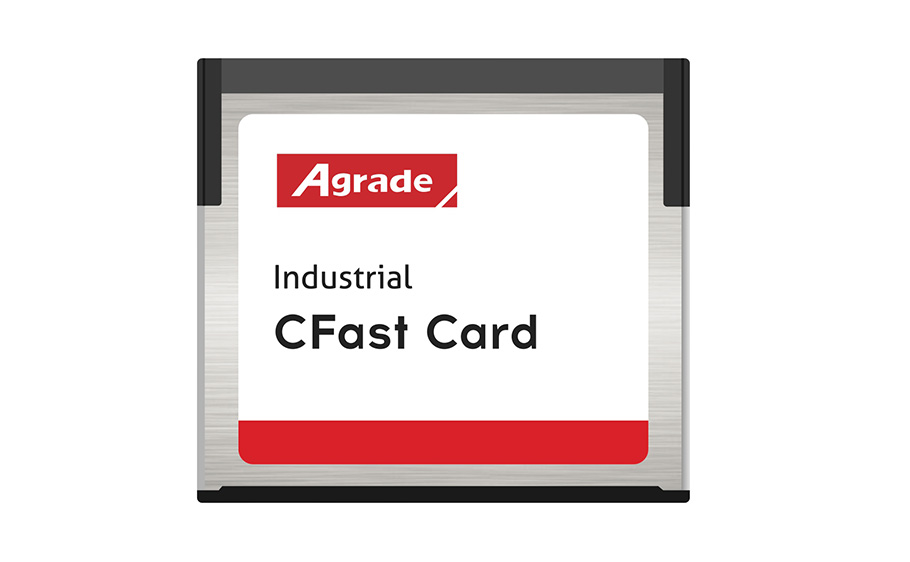
Total Bytes Written (TBW) is the most authoritative metric for estimating the usable life of an industrial CF card under real-world conditions. Unlike vague “long life” claims, TBW provides a quantifiable benchmark.
1. What Is TBW?
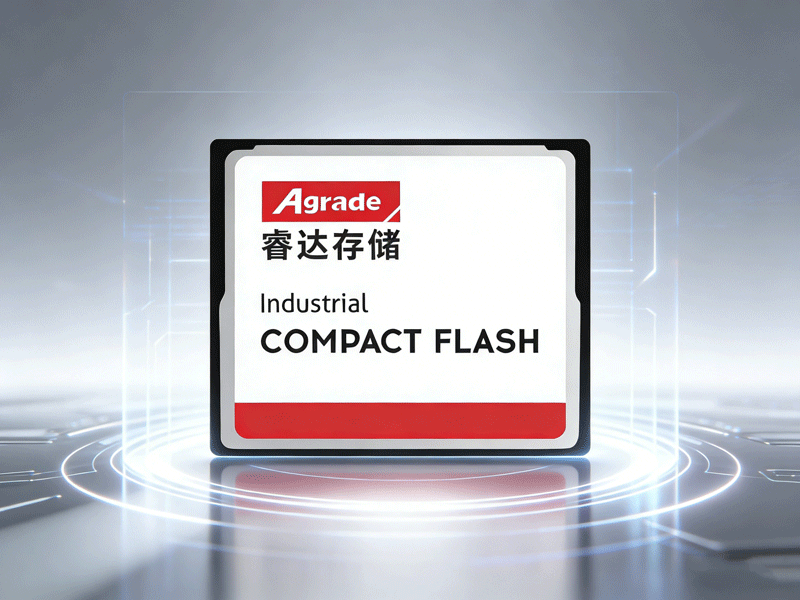
TBW represents the total amount of data that can be written to a storage device over its lifetime. For example, a 16GB industrial CF card with a TBW rating of 80TB has been tested to endure 80 terabytes of host writes. This equates to roughly 5,000 full-drive writes (80,000GB ÷ 16GB). Manufacturers derive TBW through accelerated life testing based on JEDEC standards.
2. Factors That Influence Actual Lifespan
Write Amplification (WA): Firmware efficiency determines how many internal writes are triggered by each host write. Good industrial controllers keep WA below 1.2, while poor implementations may exceed 3.0.
Operating Temperature: Flash memory aging accelerates exponentially with temperature. A card rated for 30,000 cycles at 25°C may deliver only 10,000 cycles when running continuously at 85°C.
Workload Type: Sequential writes generate lower WA than random, small-block writes. Logging applications consume endurance faster than video recording.
3. Monitoring Remaining Life
Industrial CF cards expose SMART attributes. Key indicators:
Wear Leveling Count: Shows the most-erased block’s cycle count relative to the average.
Spare Blocks Remaining: When spare blocks fall below 10%, replacement should be scheduled immediately.
Temperature History: Logs maximum and minimum temperatures for root-cause analysis.
4. Calculating Expected Service Life
Use the formula: Years of Service = TBW ÷ (Daily Writes × 365 × Write Amplification)
By monitoring actual write rates and SMART data, system designers can predict replacements before unexpected failures occur.

-
Products
Advantages
-
Solutions
-
News
About us
-
Contact us
Tel:+86 19926658803
Whatsapp:+86 19926658803
lianle1210@163.com
Address: 30CF, Caihong Building, Caihong Road, Futian District, Shenzhen City, Guangdong Province, China



Friendly Links:
