











News


 电商部
电商部  2026-03-30 16:34:07
 Wide Temperature Industrial CF Card: Why -40°C to 85°C Matters
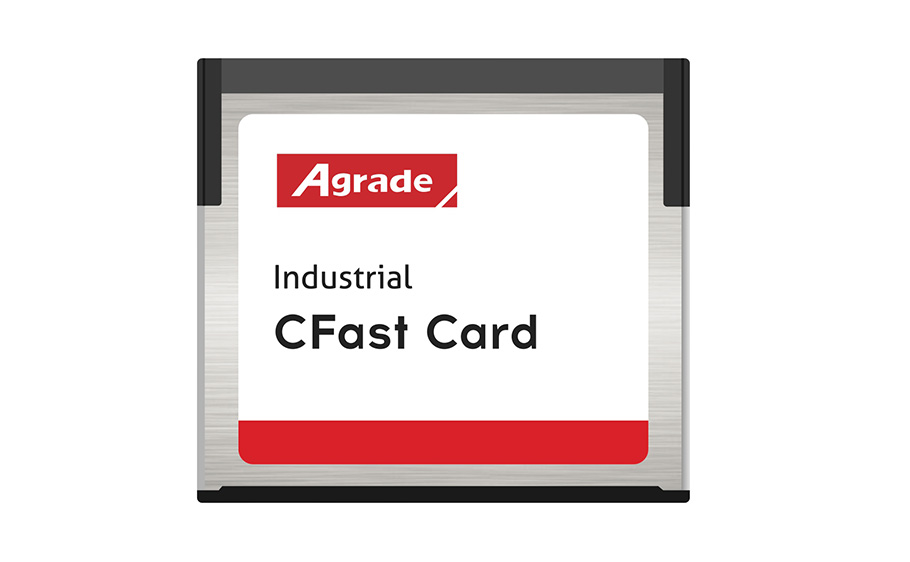
Temperature extremes are among the leading causes of storage failure in outdoor, automotive, and industrial environments. Wide-temperature industrial CF cards are purpose-built to perform reliably where consumer cards would cease to function.

1. Defining Wide Temperature Range
A true industrial CF card operates across -40°C to 85°C ambient temperature. This covers freezing Arctic conditions, scorching deserts, and the interior of sealed enclosures where heat builds up. Some specialized variants extend to -45°C or 90°C for extreme applications.
2. Thermal Management Mechanisms
On-Board Sensors: Industrial cards embed temperature sensors that monitor die temperature in real time. When approaching operational limits, the controller may throttle write speeds to prevent data corruption.
Heat Spreading: Copper layers within the PCB act as heat spreaders, dissipating hotspots. Thermal interface materials conduct heat to the device enclosure.
3. Rugged Construction Beyond Temperature
Wide-temperature capability is often paired with other rugged features:
Vibration and Shock Resistance: Industrial CF cards pass tests such as MIL-STD-810G, surviving 5G vibrations and 50G shocks.
Gold Plating: Thick gold (30µ inches) on the contact fingers resists oxidation and ensures reliable connections over thousands of insertion cycles.
Underfill Technology: Epoxy underfill secures NAND chips to the PCB, preventing solder joint cracking under vibration.
4. Real-World Applications
Wide-temperature industrial CF cards are essential in telematics, outdoor surveillance, military field equipment, and aerospace systems where environmental conditions are unpredictable.
When selecting a card, verify that the stated temperature range is operational, not just storage. A card that can be stored at -40°C but only operate at 0°C is insufficient for true industrial needs.

-
Products
Advantages
-
Solutions
-
News
About us
-
Contact us
Tel:+86 19926658803
Whatsapp:+86 19926658803
lianle1210@163.com
Address: 30CF, Caihong Building, Caihong Road, Futian District, Shenzhen City, Guangdong Province, China



Friendly Links:
