




News


 电商部
电商部  2026-05-06 15:28:18
 What Is PMIC? Why DDR5 Memory Has Its Own Power Management Chip
A major DDR5 design change moves power management from the motherboard onto the memory module itself.
1. What the PMIC Does
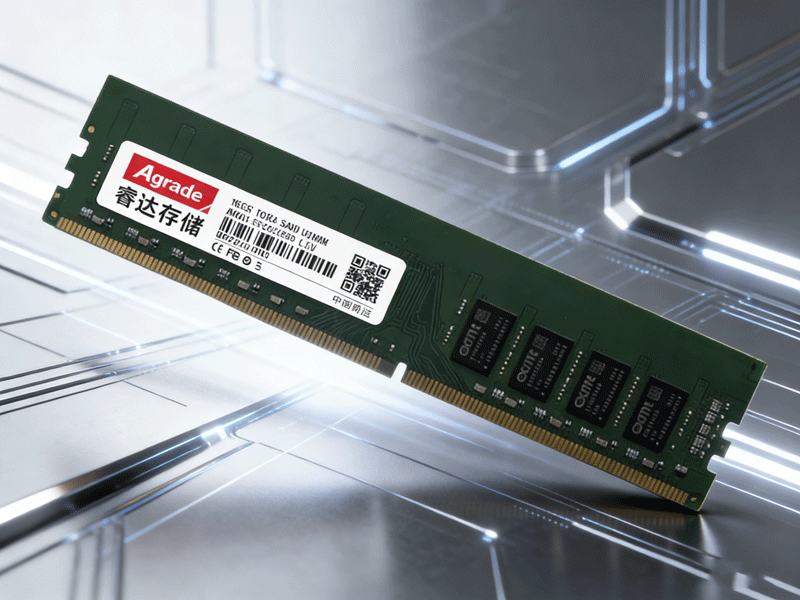
The PMIC (Power Management IC) is integrated onto the DDR5 module. It converts 5V power from the motherboard into the various voltages the memory needs: 1.1V VDD, VDDQ, and other internal rails. Each DDR5 module has its own PMIC, replacing DDR4‘s centralized motherboard VRM.
2. Advantages of Onboard PMIC
More Stable Power: Independent regulation reduces the impact of motherboard power fluctuations
Better Signal Integrity: Shorter power delivery paths and less interference
Higher Overclocking Potential: PMICs allow more precise voltage control
Lower Overall Power Consumption: Voltage can be adjusted dynamically based on need
3. PMIC Types
Standard PMIC: Limited voltage range; suitable for mainstream use
Programmable (High-Voltage) PMIC: Supports higher voltages; designed for extreme overclocking
4. Compatibility Notes
Different motherboards have varying levels of PMIC support. Some early DDR5 memory kits had compatibility issues with certain motherboards. Check the motherboard’s QVL list before purchasing.

-
Products
Advantages
-
Solutions
-
News
About us
-
Contact us
Tel:+86 19926658803
Whatsapp:+86 19926658803
lianle1210@163.com
Address: 30CF, Caihong Building, Caihong Road, Futian District, Shenzhen City, Guangdong Province, China



Friendly Links:
