





















News


 电商部
电商部  2026-05-06 12:11:03
 On-die ECC vs. Full ECC: What DDR5 Built-in Error Correction Really Does
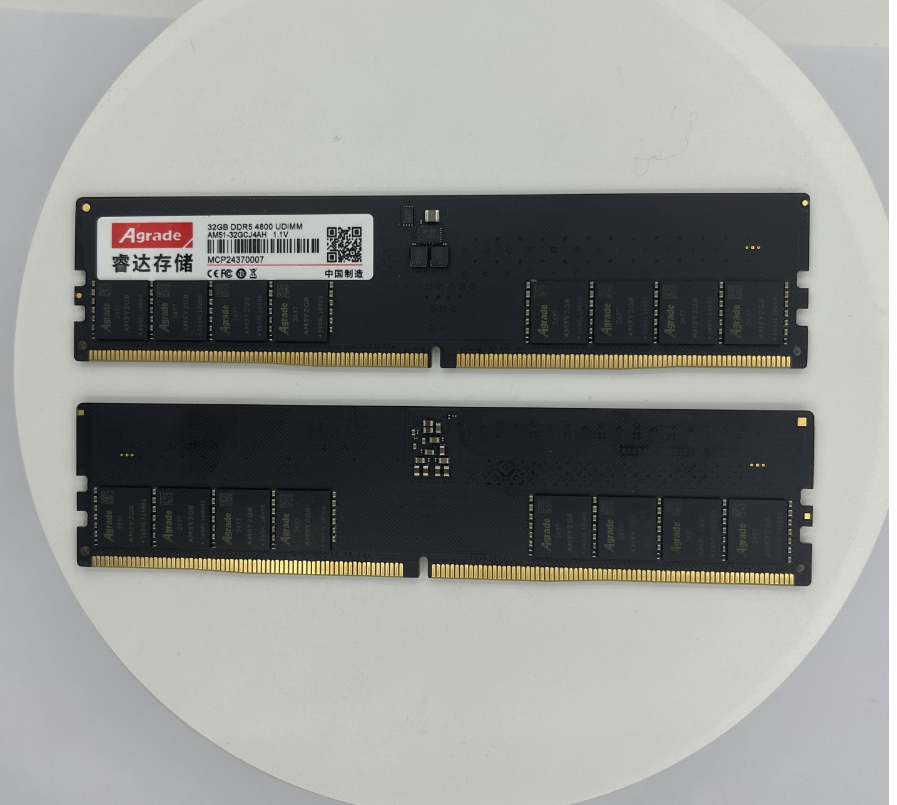
DDR5 introduces On-die ECC (Error Correcting Code), a significant reliability improvement over DDR4.
1. How On-die ECC Works
On-die ECC integrates additional storage cells within each DRAM chip to store parity information. When data is read, the chip internally detects and corrects single-bit errors. This process is completely transparent to the operating system and applications.
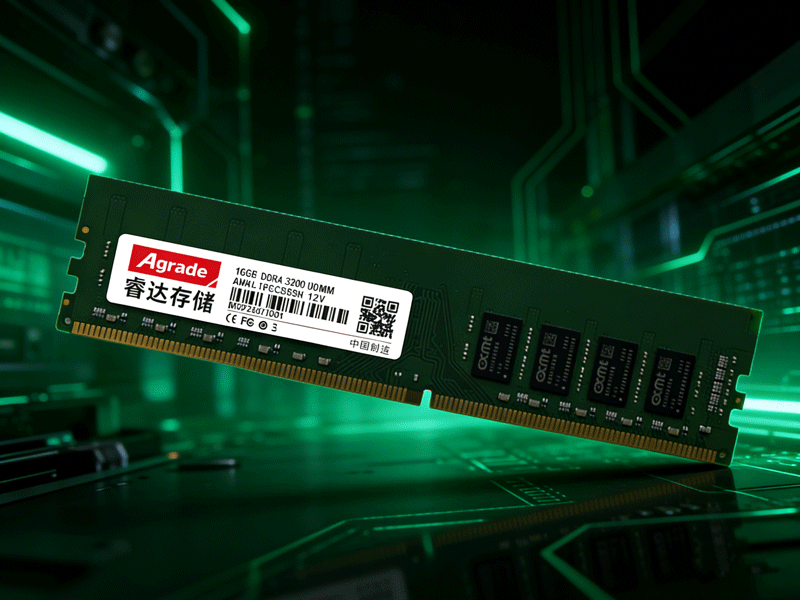
2. On-die ECC vs. Traditional ECC (Server Memory)
Traditional ECC: Corrects errors at the DIMM level, detects multi-bit errors, and reports them to the system. Requires additional DRAM chip(s).
On-die ECC: Corrects errors only within individual chips; cannot detect errors across chips. Improves yield, reliability, and allows lower refresh rates for power savings.
3. Value of On-die ECC
As DDR5 chip densities increase, bit error rates become a greater concern. On-die ECC provides:
Correction of single-bit errors to prevent data corruption
Improved manufacturing yields and lower costs
Support for stable high-frequency operation
4. Important Distinction
DDR5‘s On-die ECC is a baseline feature, not equivalent to server-grade full ECC. For complete ECC functionality (detecting and correcting multi-bit errors across the DIMM), you still need to purchase DDR5 ECC memory, which requires server/workstation motherboards and CPUs.

-
Products
Advantages
-
Solutions
-
News
About us
-
Contact us
Tel:+86 19926658803
Whatsapp:+86 19926658803
lianle1210@163.com
Address: 30CF, Caihong Building, Caihong Road, Futian District, Shenzhen City, Guangdong Province, China



Friendly Links:
