










News


 电商部
电商部  2026-05-06 11:46:08
 DDR5 vs. DDR4: What's the Difference and Should You Upgrade?
DDR5 is the fifth generation of Double Data Rate synchronous dynamic random-access memory. It brings significant improvements in speed, capacity, and power efficiency over DDR4.
1. Speed and Bandwidth
DDR4 memory typically runs at 2133-3200MHz. DDR5 starts at 4800MHz and has evolved to 5600-8000MHz and beyond. DDR5 bandwidth is roughly double that of DDR4. For example, DDR5 6400MHz delivers approximately 51.2GB/s, while DDR4 3200MHz delivers only 25.6GB/s.
2. Architectural Changes
DDR5 divides each DIMM into two independent 32-bit sub-channels (36-bit+36-bit for ECC), replacing DDR4‘s single 64-bit channel. This design improves memory access efficiency and reduces latency.
3. Power Consumption and Voltage
DDR5 operating voltage drops from DDR4’s 1.2V to 1.1V, reducing power consumption by approximately 20%. DDR5 also moves power management from the motherboard to the memory module itself, with an onboard PMIC (Power Management IC) providing more stable power delivery.
4. Capacity and Density
DDR5 supports higher-density DRAM chips, enabling single-module capacities of 128GB or more. DDR5 also includes On-die ECC (Error Correcting Code), which detects and corrects single-bit errors for improved data reliability.
5. Compatibility
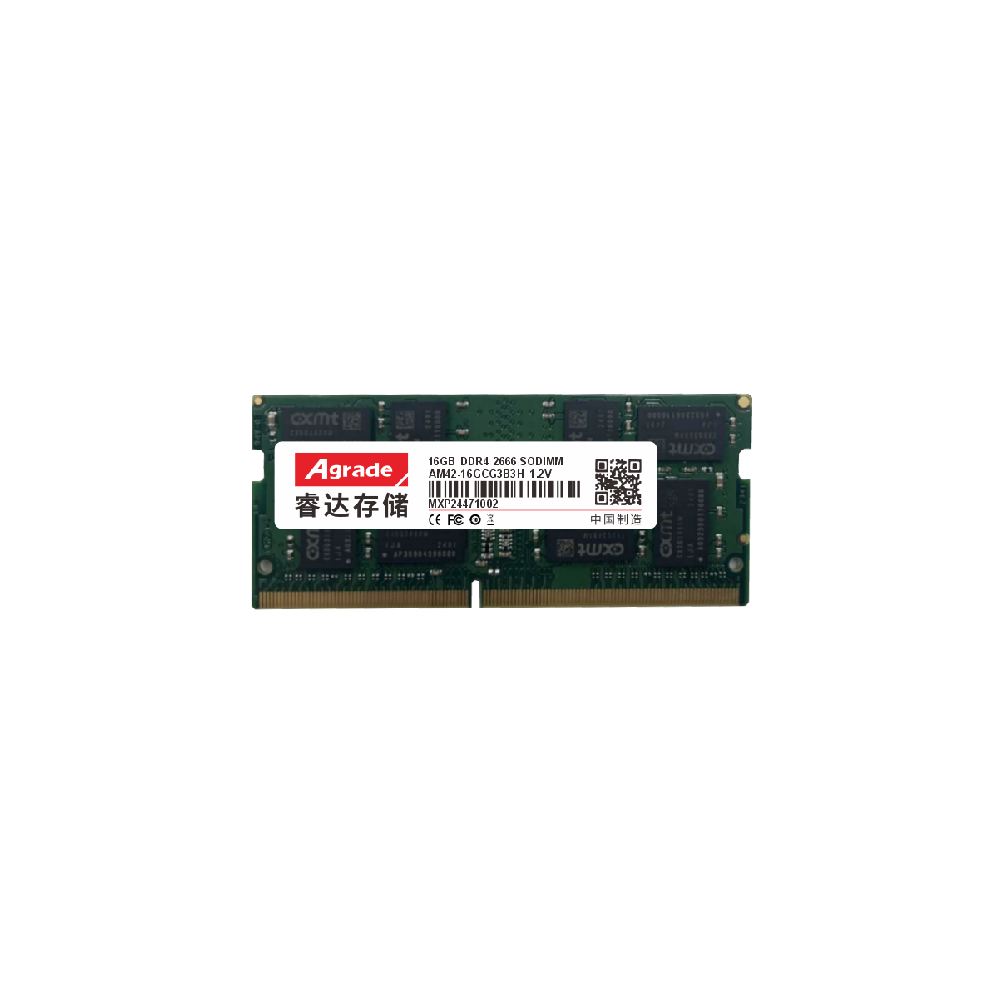
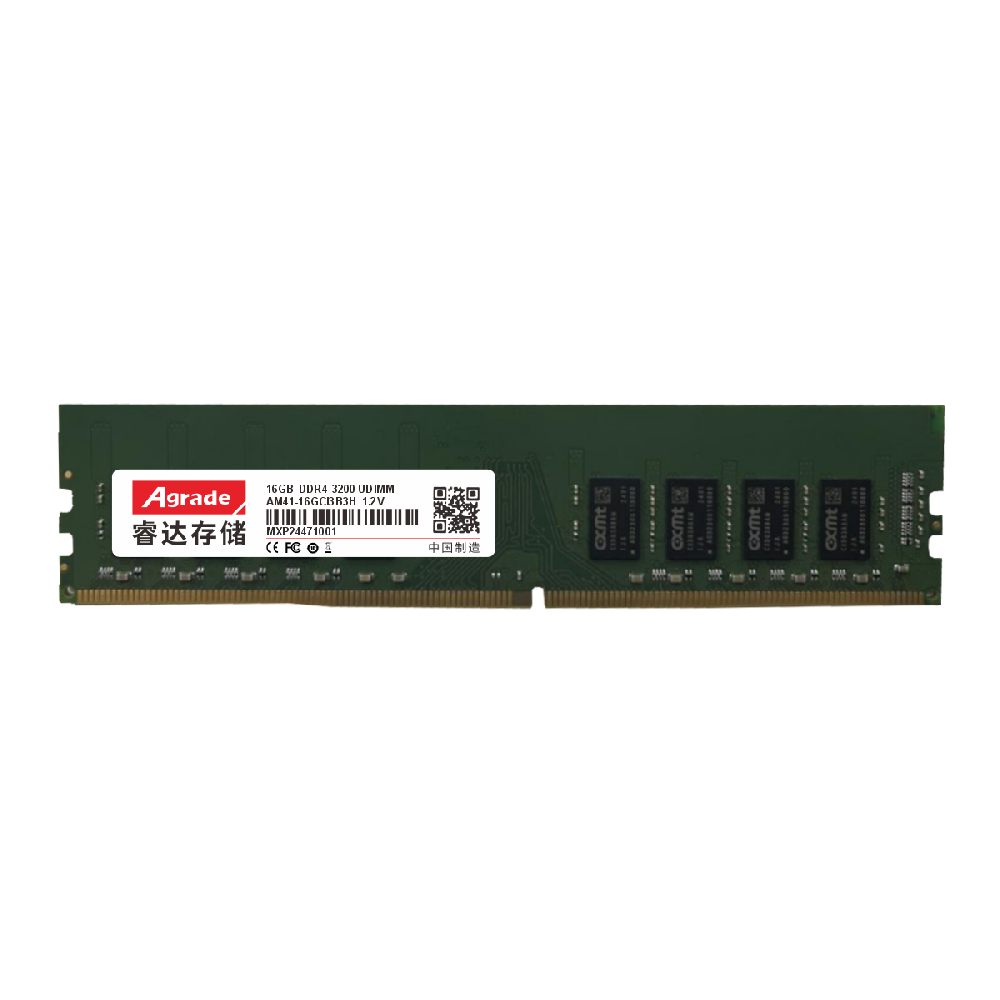
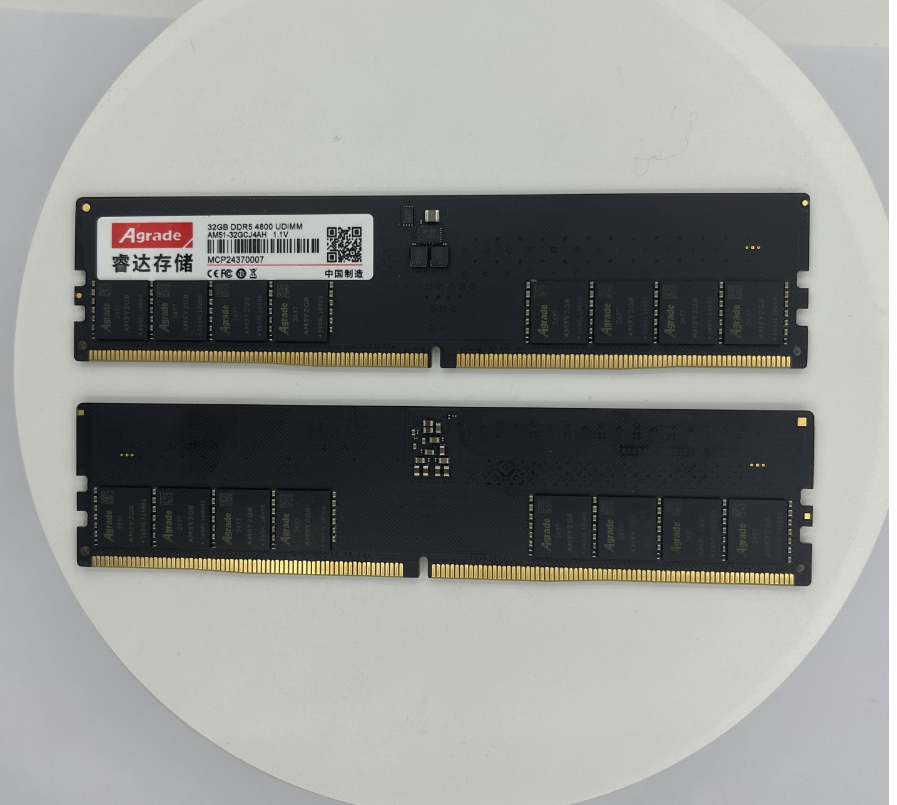
DDR5 and DDR4 are physically incompatible (different pin counts and key notch positions). You need a DDR5-compatible motherboard (Intel 600/700 series, AMD AM5 platform).

-
Products
Advantages
-
Solutions
-
News
About us
-
Contact us
Tel:+86 19926658803
Whatsapp:+86 19926658803
lianle1210@163.com
Address: 30CF, Caihong Building, Caihong Road, Futian District, Shenzhen City, Guangdong Province, China



Friendly Links:
