




News


 电商部
电商部  2026-04-27 16:44:45
 M.2 vs. Add-in-Card PCIe SSD: Which Form Factor Is Right for Your System?
PCIe SSDs come in two main physical form factors: M.2 and PCIe add-in-card (AIC). Selection depends on device space, cooling, and performance requirements.
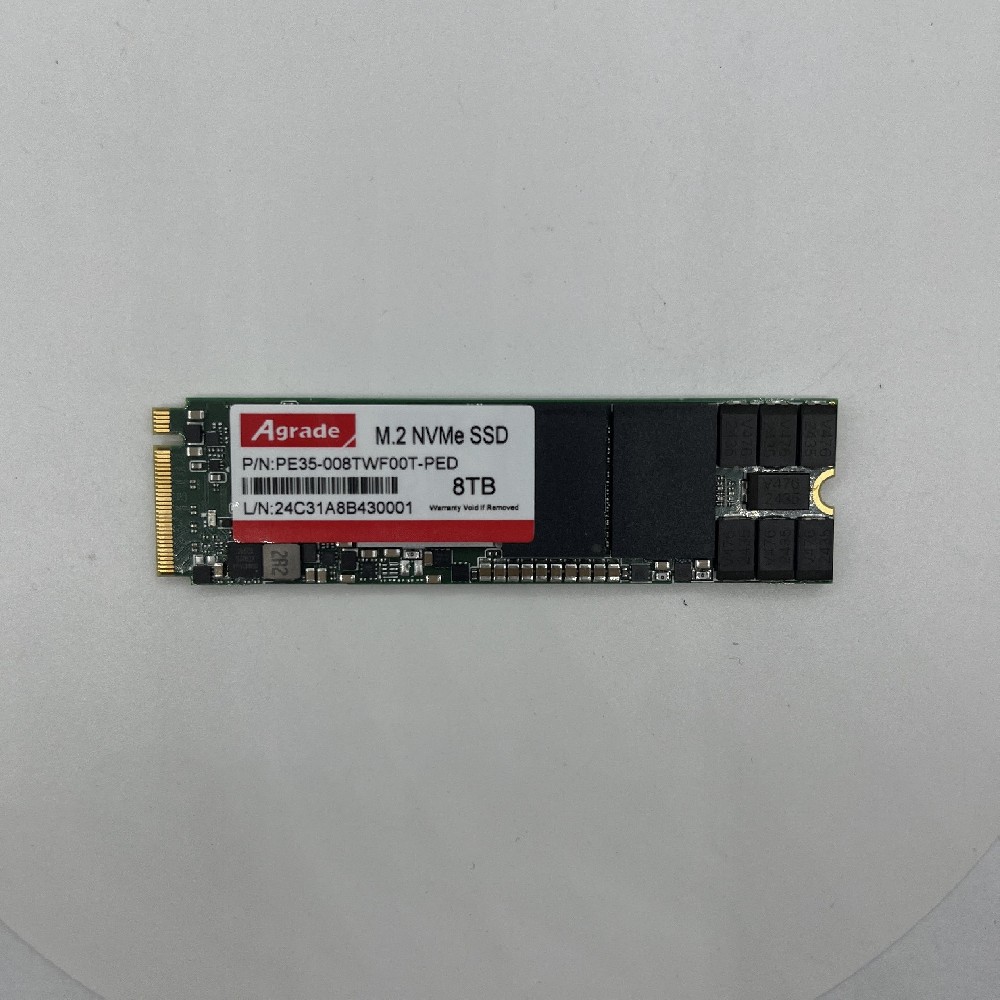
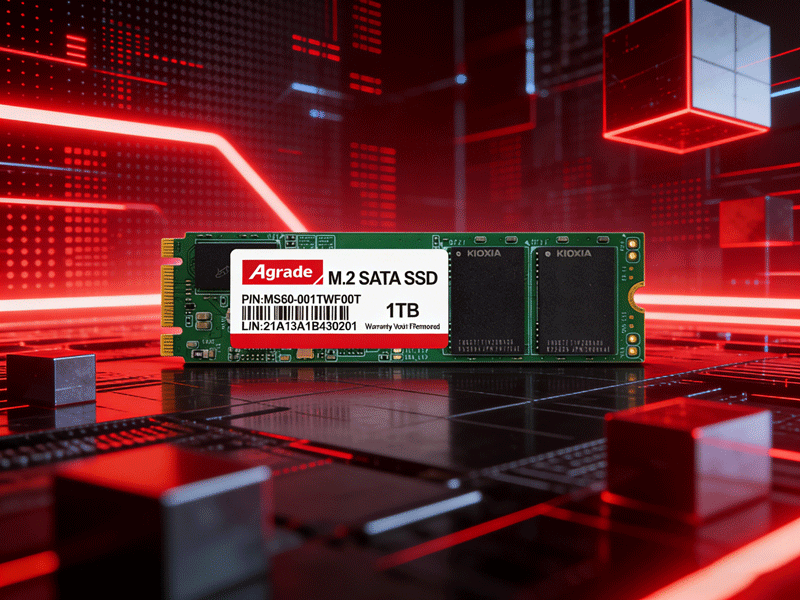
1. M.2 PCIe SSD
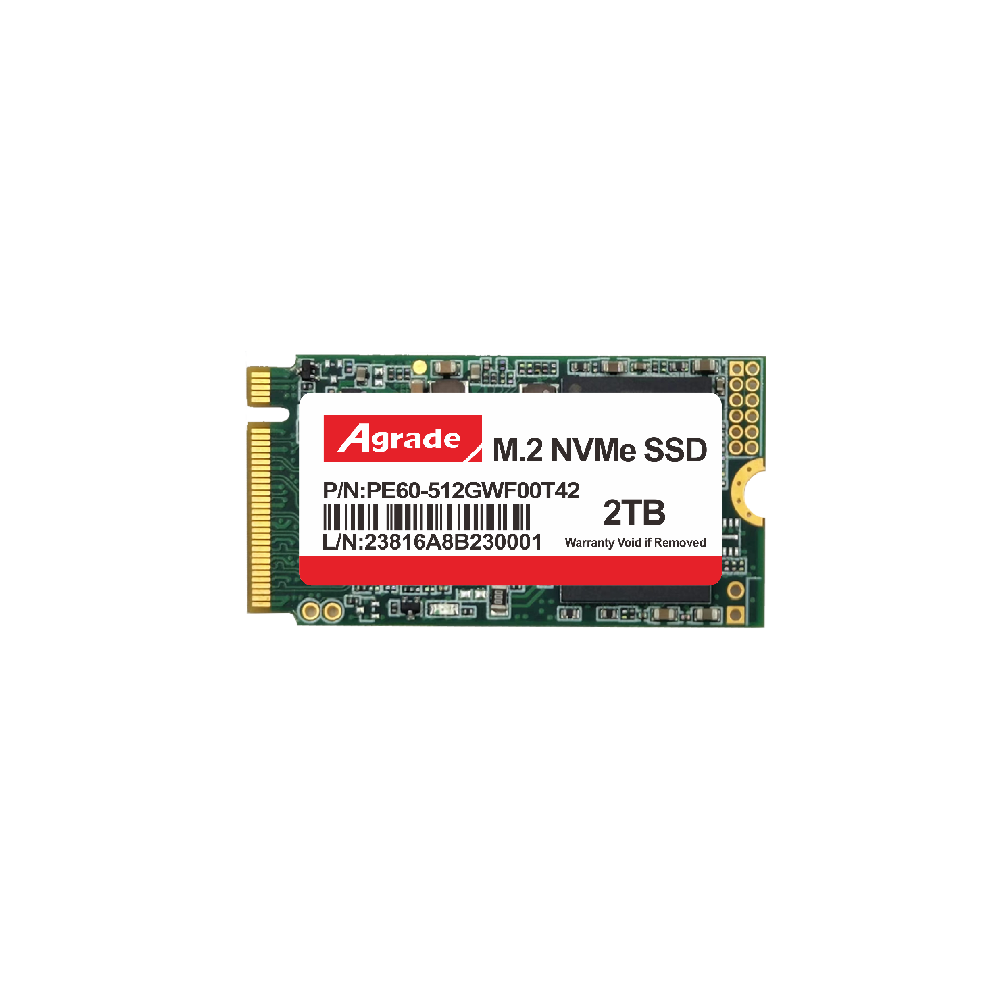
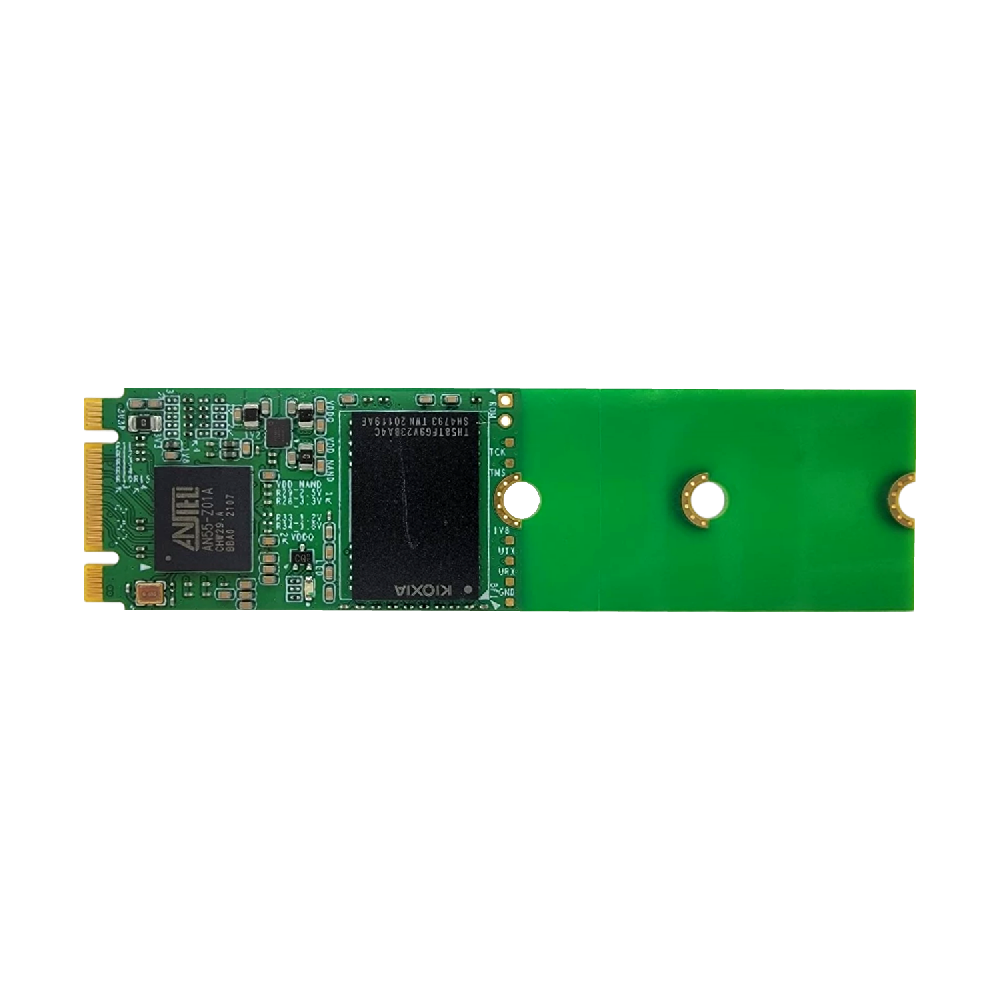
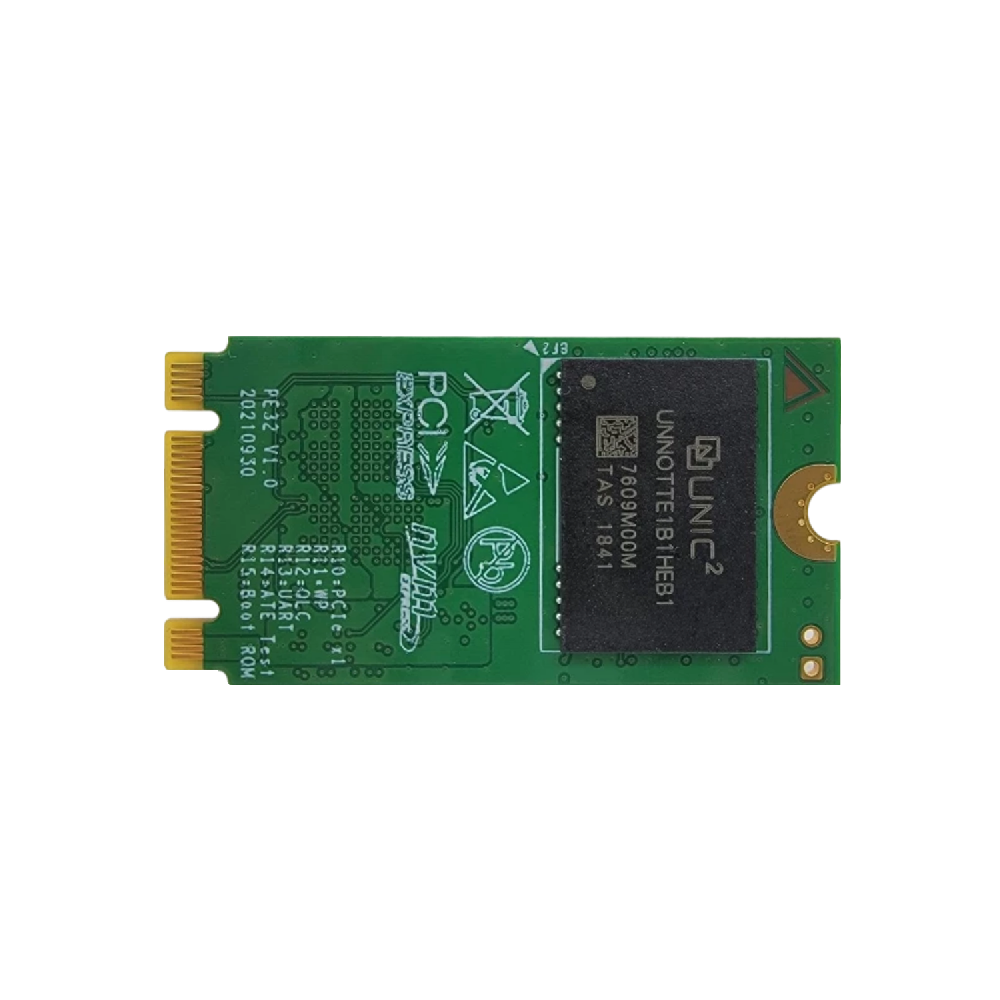
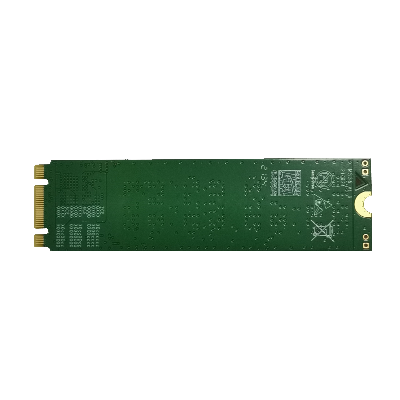
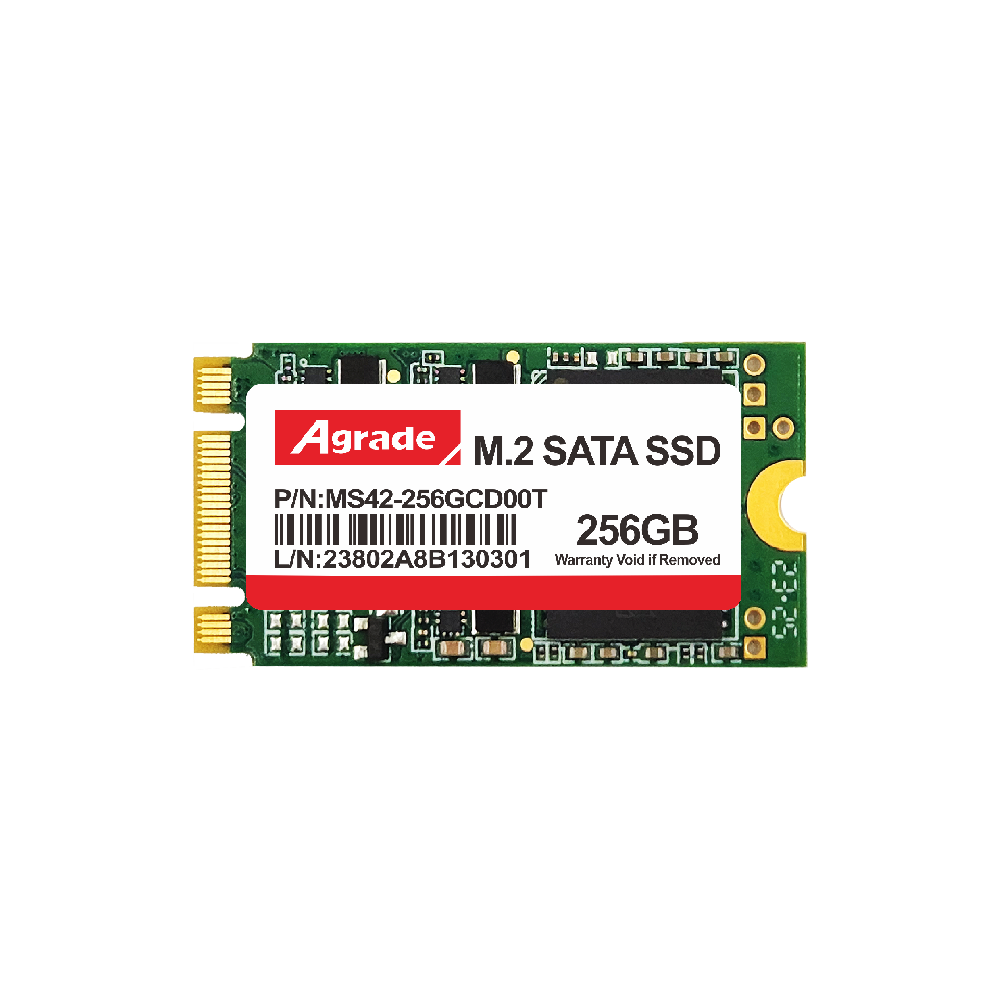
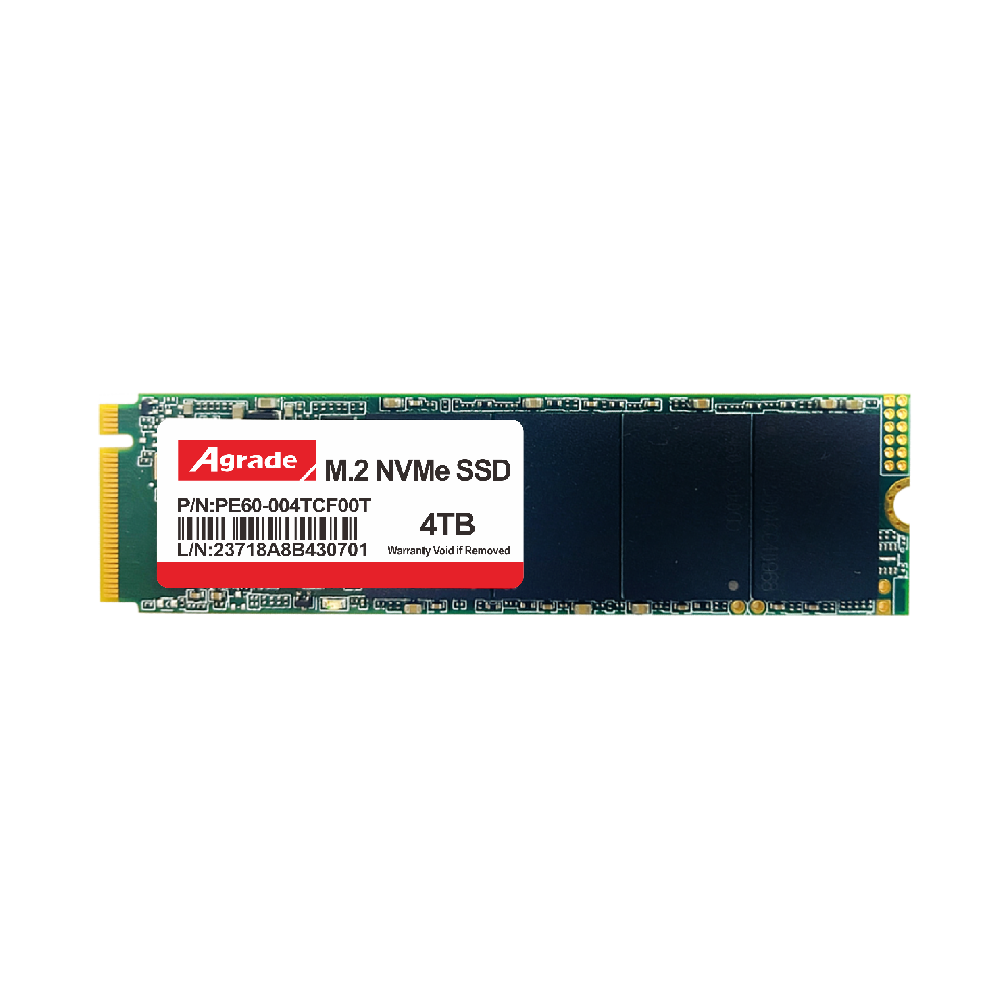
Dimensions: 22mm wide; lengths of 2242, 2260, 2280, or 22110
Interface: M.2 M-key supporting PCIe x4
Capacity: Mainstream 256GB to 8TB
Advantages: Small footprint, plugs directly into motherboard, ideal for compact devices
Disadvantages: Small surface area for heat dissipation; high-speed models run hot
2. PCIe Add-in-Card (AIC) SSD
Dimensions: Standard PCIe half-height or full-height card
Interface: PCIe x4/x8/x16 slot
Capacity: Larger due to multi-drive RAID capability
Advantages: Better cooling, can integrate fans, can host multiple controllers
Disadvantages: Occupies a PCIe slot, larger physical size
3. Selection Recommendations
Laptops / Compact Motherboards: Choose M.2 2280
Desktops / Workstations: Either works; choose AIC for better cooling
Servers: U.2 or AIC are more common
Industrial Embedded: M.2 2242 or 2260
4. Compatibility Notes
M.2 slots must support NVMe protocol; older motherboards may only support SATA. AIC PCIe SSDs require motherboard support for NVMe boot if used as a system drive.

-
Products
Advantages
-
Solutions
-
News
About us
-
Contact us
Tel:+86 19926658803
Whatsapp:+86 19926658803
lianle1210@163.com
Address: 30CF, Caihong Building, Caihong Road, Futian District, Shenzhen City, Guangdong Province, China



Friendly Links:
