




News


 电商部
电商部  2026-04-23 15:58:25
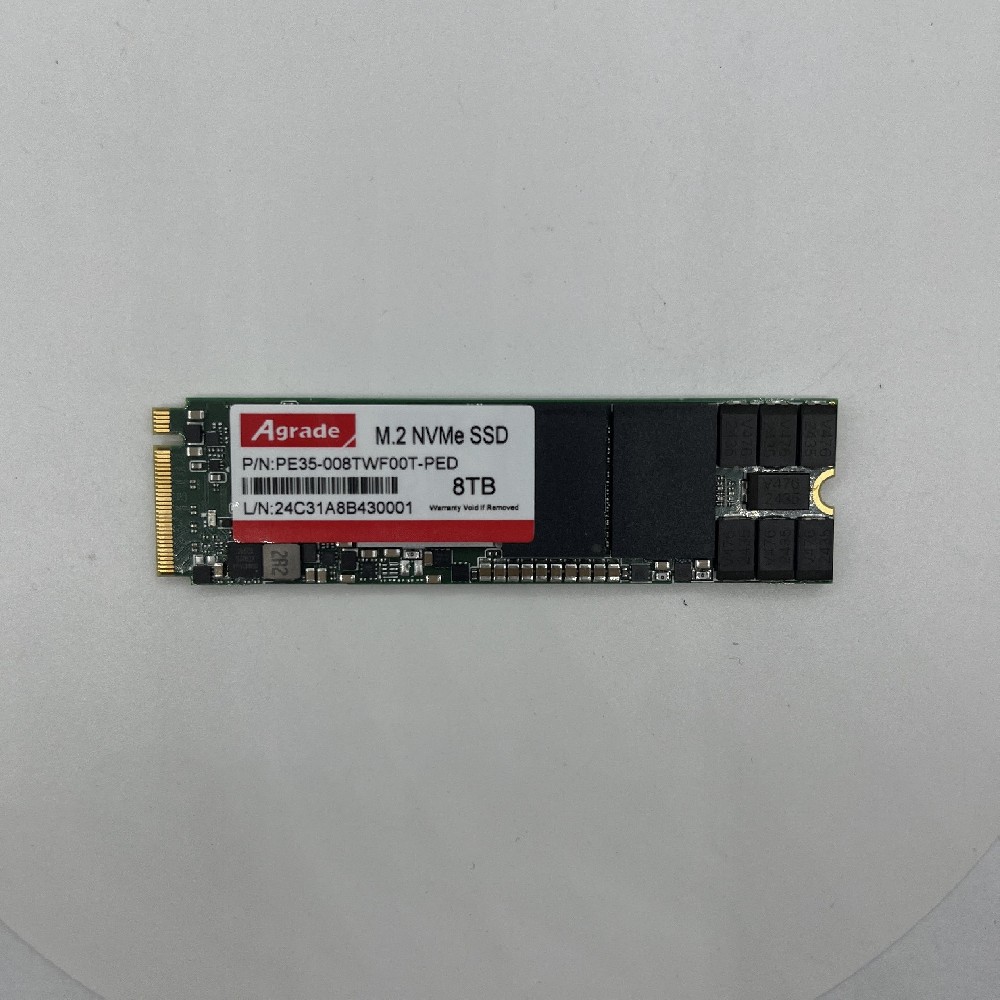
 Hardware Encrypted Industrial M.2 SSD: Protecting Sensitive Data
In defense, finance, and critical infrastructure, data security is paramount. Industrial M.2 SSDs embed multiple layers of protection—from hardware encryption to tamper-resistant mechanisms.
1. Hardware Encryption vs. Software Encryption
Software Encryption (BitLocker, VeraCrypt): Relies on host CPU; keys may be intercepted.
Hardware Encryption: Dedicated cryptographic coprocessor inside the SSD; keys never leave the secure boundary.
2. Encryption Standards
AES-256: International standard; 256-bit key; billions of years to brute force.
TCG Opal 2.0: Trusted Computing Group standard with pre-boot authentication.
SM4: Chinese national cryptography standard for domestic classified projects.
3. Security Features
Brute Force Protection: SSD locks or formats after multiple incorrect password attempts.
Tamper Detection: Physical intrusion triggers high-voltage pulse destroying critical components.
Secure Erase: One-click cryptographic key destruction makes data instantly unreadable.
4. Certifications
FIPS 140-2: US Federal Information Processing Standard
National Cryptography Certification: China
5. Selection by Security Level
Enterprise: AES-256 hardware encryption + TCG Opal
Classified: SM4 certification + physical tamper-proofing

-
Products
Advantages
-
Solutions
-
News
About us
-
Contact us
Tel:+86 19926658803
Whatsapp:+86 19926658803
lianle1210@163.com
Address: 30CF, Caihong Building, Caihong Road, Futian District, Shenzhen City, Guangdong Province, China



Friendly Links:
