




News


 电商部
电商部  2026-04-21 17:21:00
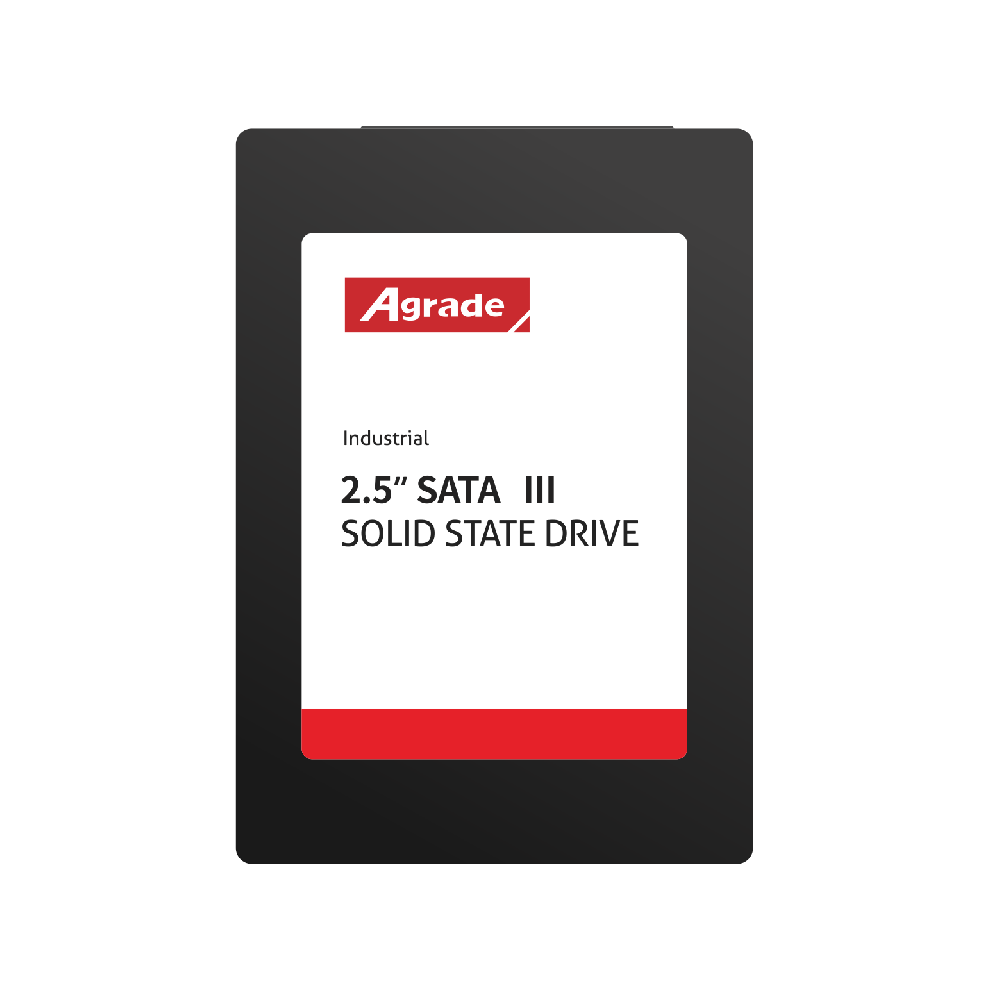
 Industrial 2.5-inch SSD Buying Guide: 5 Mistakes to Avoid
The industrial 2.5-inch SSD market includes products with inflated specifications and misrepresented quality. Buyers focusing only on capacity and price risk field failures. Here are five common mistakes and how to avoid them.
1. Mistake: Bigger Capacity Is Always Better
Reality: Large capacity SSDs often use QLC NAND with 300-500 write cycles. Smaller pSLC/SLC SSDs offer 50,000-100,000 cycles.
Verification: Request NAND type confirmation; use FlashID tools on sample units.

2. Mistake: Faster Speed Means Better Quality
Reality: Industrial applications demand sustained write stability. Drives with high peak speed but fluctuating write performance may cause data loss.
Verification: Test sustained write speed curves with Iometer or fio; fluctuation should be <10%.
3. Mistake: Ignoring Temperature Range
Reality: "Industrial grade" should mean -25°C to 85°C minimum. Some products tested only at room temperature may fail below 0°C.
Verification: Perform cold start tests after 24 hours at -25°C.
4. Mistake: Overlooking Power-Loss Protection
Reality: SSDs without PLP can corrupt data or become bricked during unexpected power loss.
Verification: Check datasheets for explicit "Power-Loss Protection" specification.
5. Mistake: Disregarding Firmware Features
Reality: Wear leveling, thermal throttling, and LDPC error correction are essential. Even SLC SSDs without these features have compromised lifespan.
Verification: Check datasheets for explicit firmware feature listings.
6. Quality Indicators Summary
Clear Specifications: NAND type, temperature range, TBW, PLP support
Stable Performance: Sustained write speed fluctuation <10%
Certifications: CE, FCC, RoHS compliance
Technical Support: Firmware customization and failure analysis services
Price Reality Check: A 256GB pSLC industrial 2.5-inch SSD typically costs $40-80. Drives priced significantly below this range should be scrutinized carefully.

-
Products
Advantages
-
Solutions
-
News
About us
-
Contact us
Tel:+86 19926658803
Whatsapp:+86 19926658803
lianle1210@163.com
Address: 30CF, Caihong Building, Caihong Road, Futian District, Shenzhen City, Guangdong Province, China



Friendly Links:
