
















News


 电商部
电商部  2026-04-21 17:20:20
 2.5-inch SSD Overheating Solutions: Industrial Thermal Design Explained
2.5-inch SSDs generate heat during operation. Excessive temperatures not only affect performance but also accelerate aging. Industrial 2.5-inch SSDs incorporate multiple thermal management technologies.
1. Heat Generation in 2.5-inch SSDs
SSD power consumption comes primarily from the controller and NAND flash. Under high load, 2.5-inch SSDs can consume 5-8W. In compact industrial enclosures with multiple drives, heat stacking can create localized hot spots.

2. Industrial 2.5-inch SSD Thermal Solutions
Metal Casing as Heat Spreader: The aluminum or stainless steel casing conducts heat to the chassis.
Thermal Pads/Gap Fillers: Fill gaps between components and the casing, improving heat transfer efficiency.
Thermal Throttling: On-board temperature sensors trigger speed reduction when thresholds are exceeded.
Thermal Simulation: Design-stage optimization of component placement to eliminate hot spots.
3. 2.5-inch SSD vs. M.2 SSD Thermal Comparison
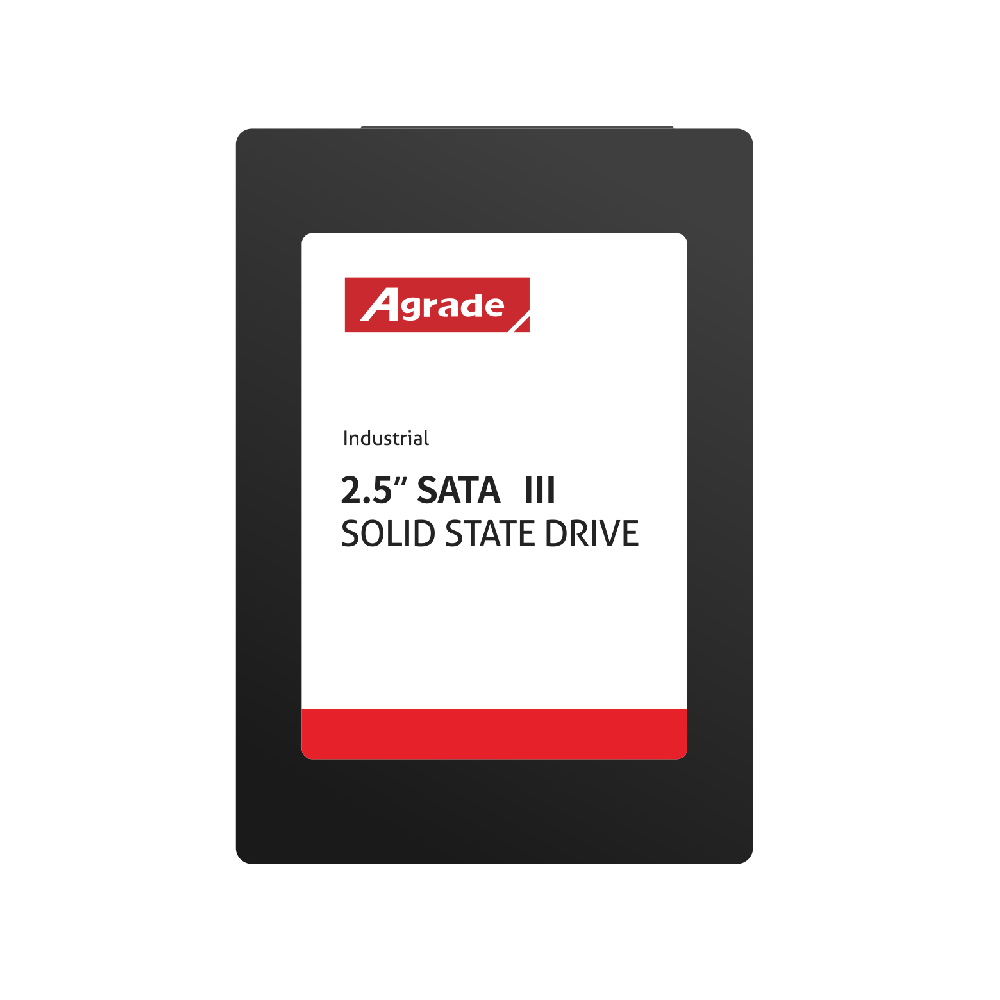
2.5-inch SSD: Larger volume and metal casing area provide better heat dissipation.
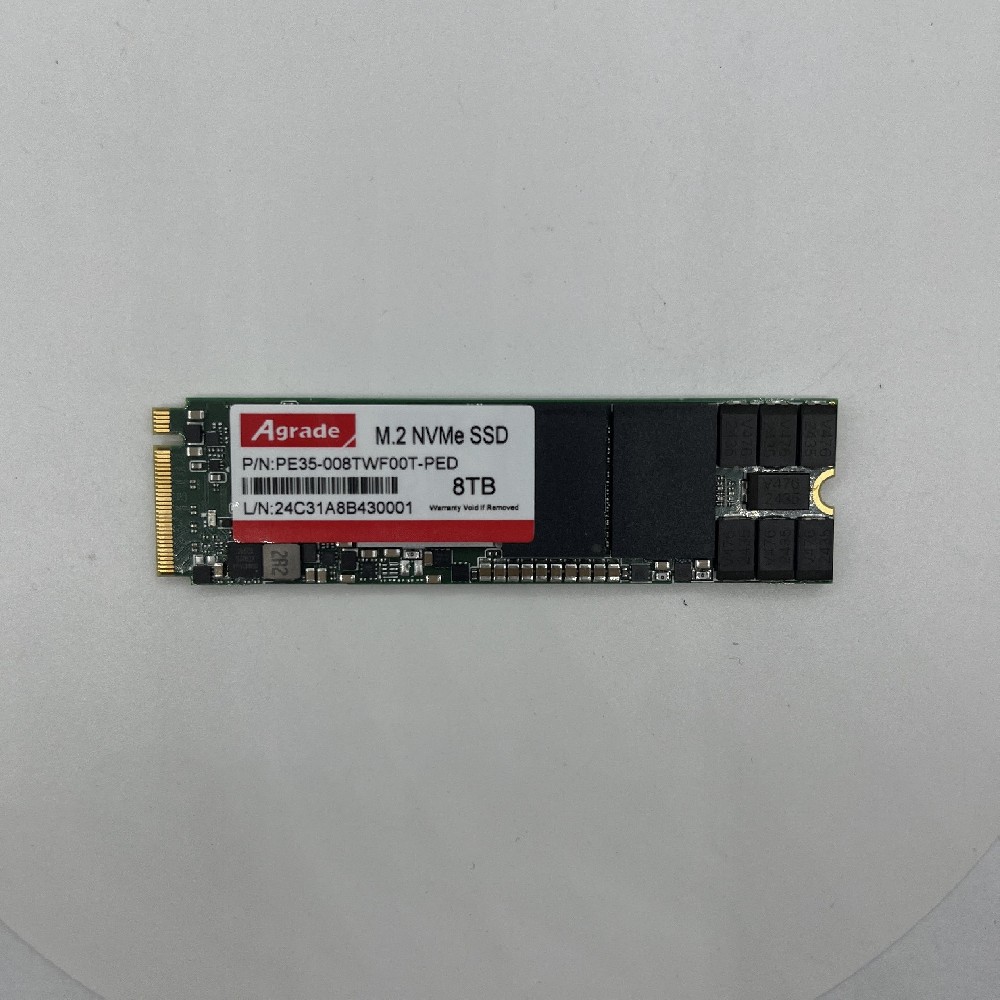
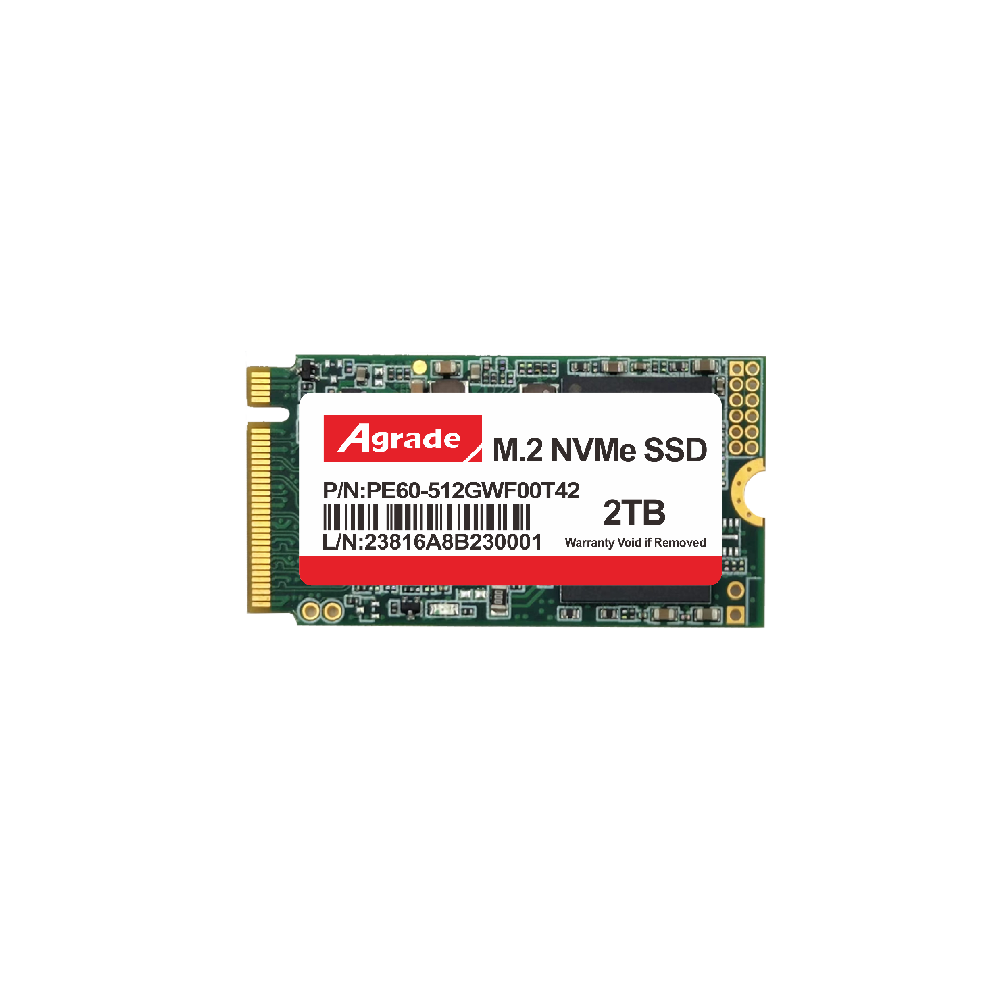
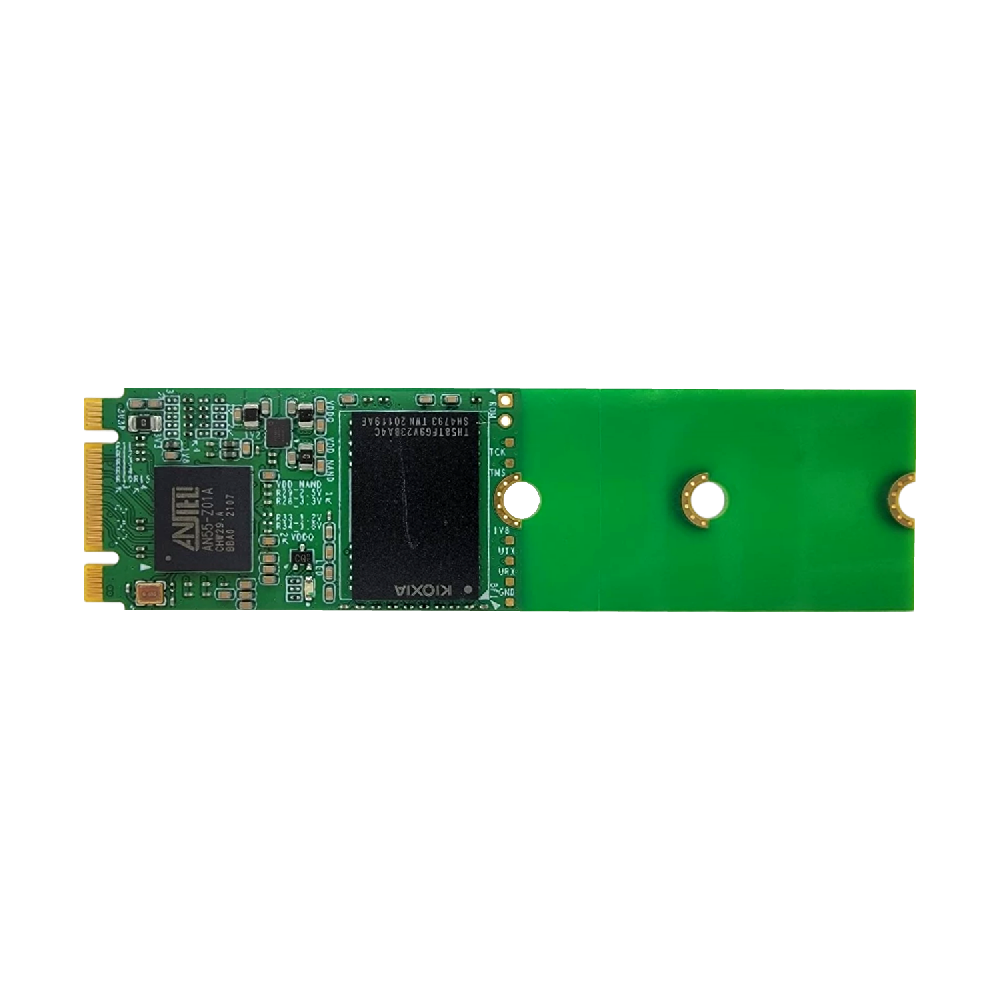
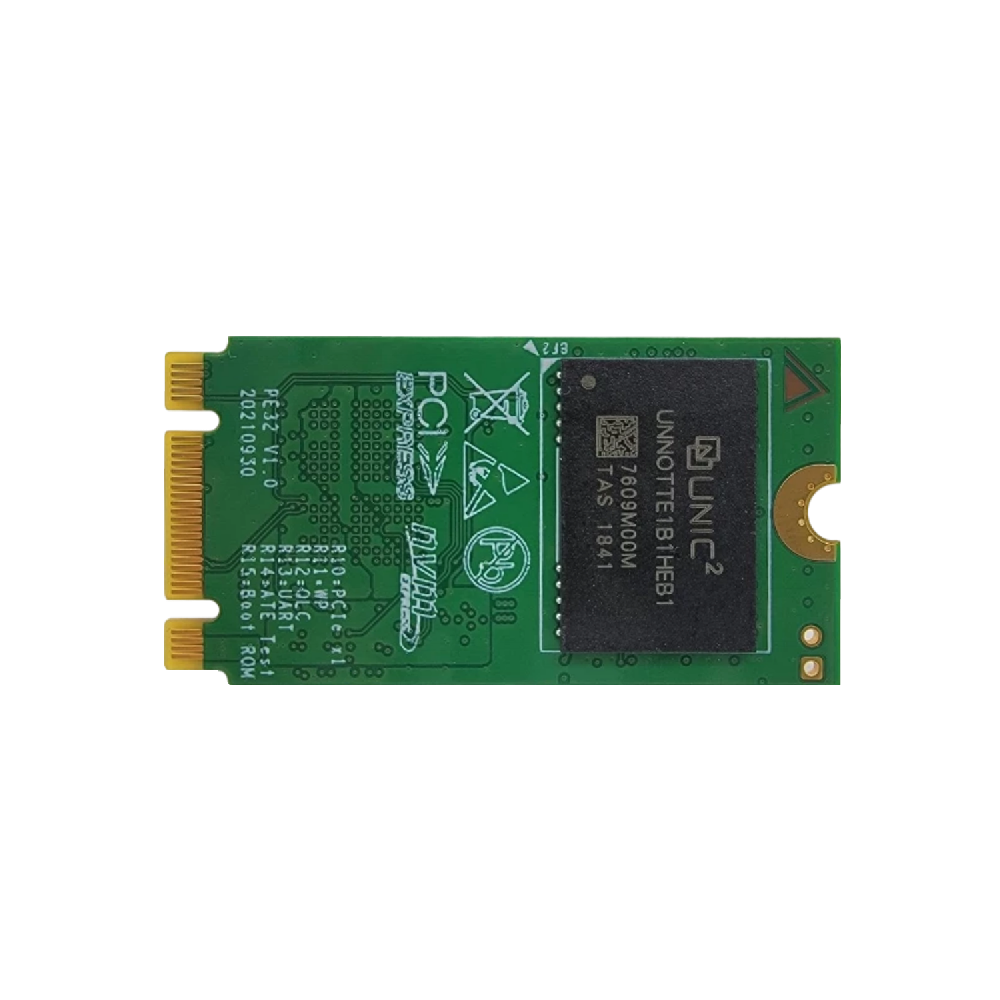
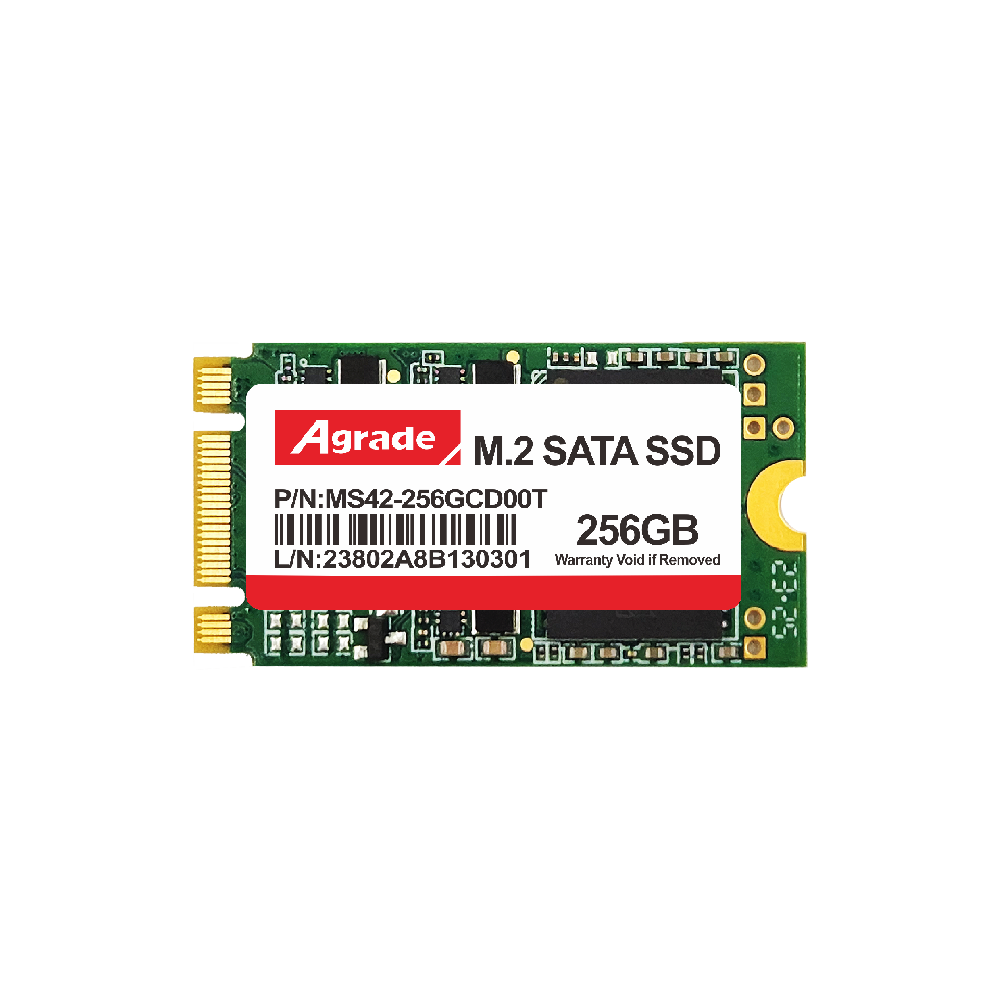
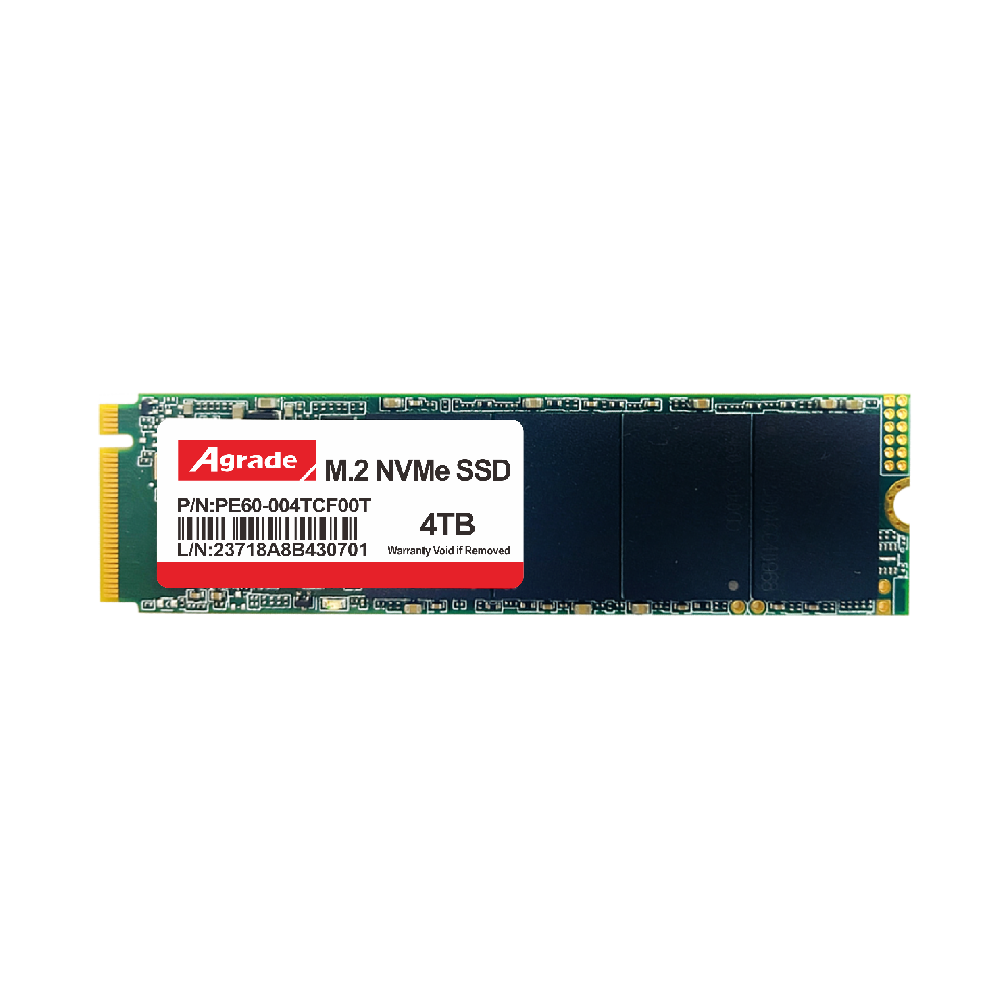
M.2 SSD: Compact size with limited surface area; more prone to throttling under high temperature.
4. Selection Recommendations
For sealed enclosures, high-temperature workshops, or compute-intensive applications, 2.5-inch SSDs offer better thermal performance than M.2 SSDs. For extreme cooling needs, select industrial 2.5-inch SSDs with finned heat spreaders.
5. Thermal Design Verification
Check datasheets for thermal management specifications, or request thermal test reports from suppliers.

-
Products
Advantages
-
Solutions
-
News
About us
-
Contact us
Tel:+86 19926658803
Whatsapp:+86 19926658803
lianle1210@163.com
Address: 30CF, Caihong Building, Caihong Road, Futian District, Shenzhen City, Guangdong Province, China



Friendly Links:
