









News


 电商部
电商部  2026-04-07 15:21:06
 Why Embedded Systems Rely on Industrial Grade Memory Modules
Embedded systems are widely used in industrial control, medical devices, and communication equipment. Industrial memory modules meet their special requirements for size, power, and reliability.
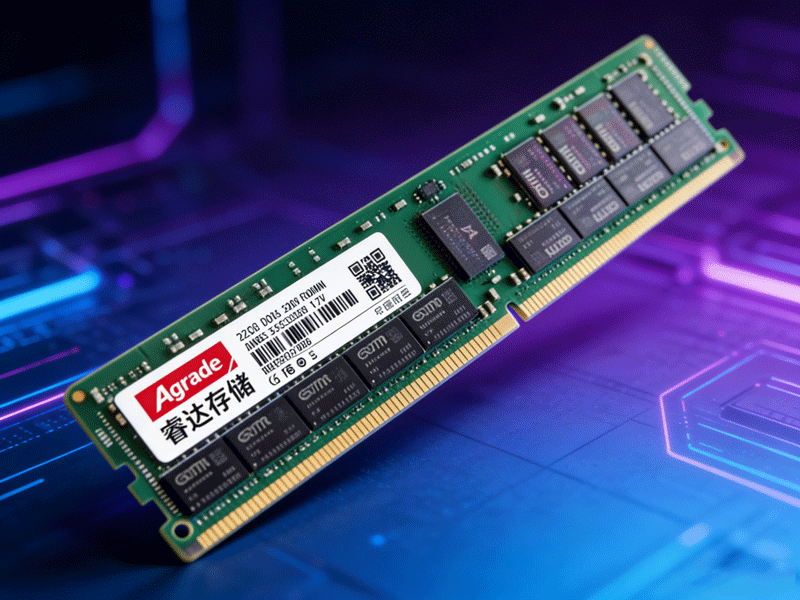
1. Embedded System Requirements
Unlike standard computers, embedded systems typically have:
Space Constraints: Compact enclosures cannot accommodate standard-height memory
Limited Cooling: Passive cooling or no fans, relying on natural convection
24/7 Operation: Extreme reliability requirements
Wide Temperature: Deployment outdoors or in non-air-conditioned spaces
2. Small Form Factor Memory Options
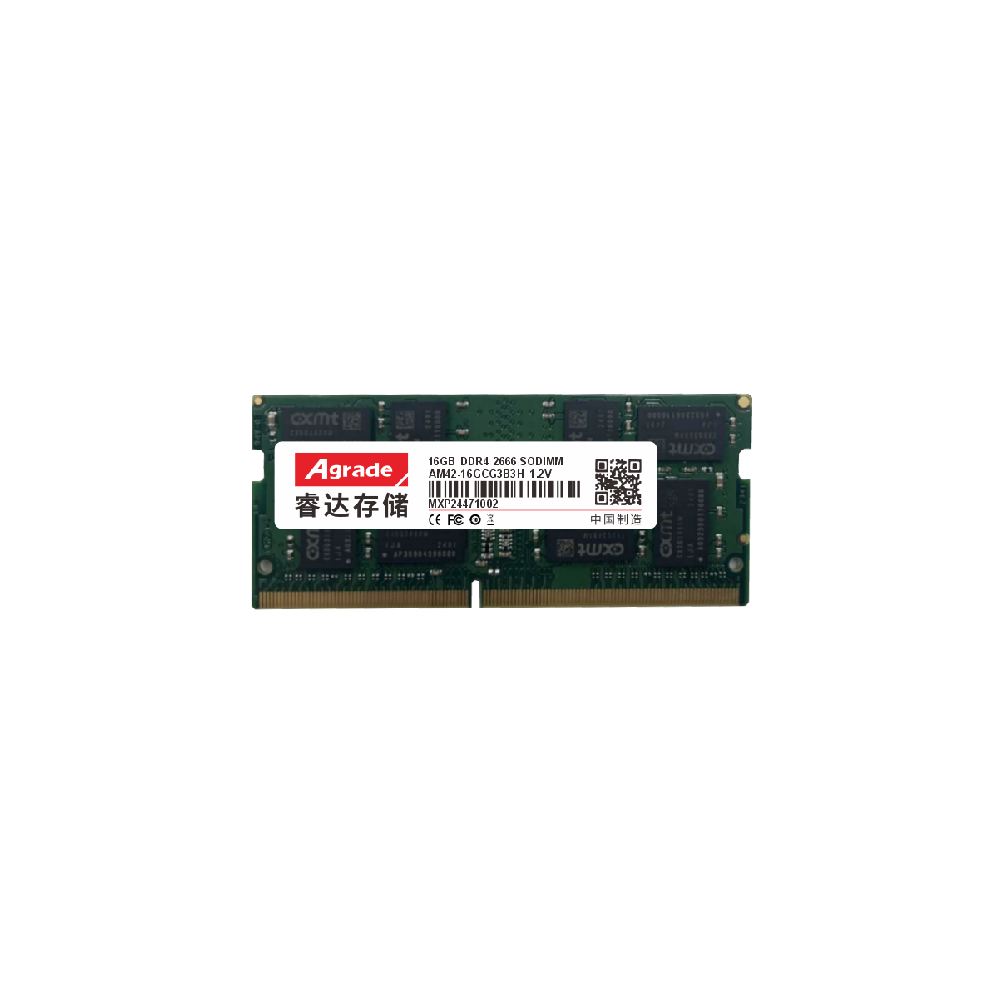
SO-DIMM: Small Outline DIMM, approximately half the size of standard DIMM, widely used in industrial motherboards
ECC SO-DIMM: Error-correcting small form factor memory for data-integrity-critical embedded devices
Soldered Memory: DRAM chips directly soldered to the motherboard, offering maximum vibration resistance
3. Low-Power Design
Industrial memory reduces power consumption through:
Low-voltage DRAM (DDR4 1.2V, LPDDR4 1.1V)
Optimized PCB routing to reduce signal losses
Deep sleep modes with milliwatt-level standby power
4. Key Applications
Industrial Controllers: PLC, CNC systems requiring compact size and high reliability
Medical Devices: Patient monitors, ultrasound equipment requiring low power and noise immunity
Communication Equipment: Routers, base stations requiring wide temperature operation
Self-Service Kiosks: ATMs, ticket machines requiring 24/7 stability
5. Selection Recommendations
For embedded systems, choose SO-DIMM industrial memory. Select ECC versions for data-critical applications. For extreme vibration environments, consider soldered memory solutions.

-
Products
Advantages
-
Solutions
-
News
About us
-
Contact us
Tel:+86 19926658803
Whatsapp:+86 19926658803
lianle1210@163.com
Address: 30CF, Caihong Building, Caihong Road, Futian District, Shenzhen City, Guangdong Province, China



Friendly Links:
