

























News


 电商部
电商部  2026-04-07 15:11:06
 ECC Memory Explained: Why Industrial Grade RAM Needs Error Correcting Code
ECC (Error Correcting Code) is a critical feature of industrial memory modules, capable of detecting and correcting single-bit memory errors automatically.
1. How ECC Works
Standard memory stores 64 bits of data per access. ECC memory adds 8 extra bits (72 bits total) for error correction. When data is read, the controller recalculates the checksum and compares it with the stored value. If a single-bit error is detected, it is corrected on the fly. If multiple-bit errors are detected, a warning is issued.

2. Why Industrial Equipment Needs ECC
Industrial environments introduce multiple memory error sources:
Electromagnetic Interference: Factory equipment and motors generate EMI that can flip memory bits.
Temperature Fluctuations: High temperatures increase DRAM leakage current and bit error rates.
Continuous Operation: 24/7 operation causes gradual component aging, increasing error probability.
3. How to Identify ECC Memory
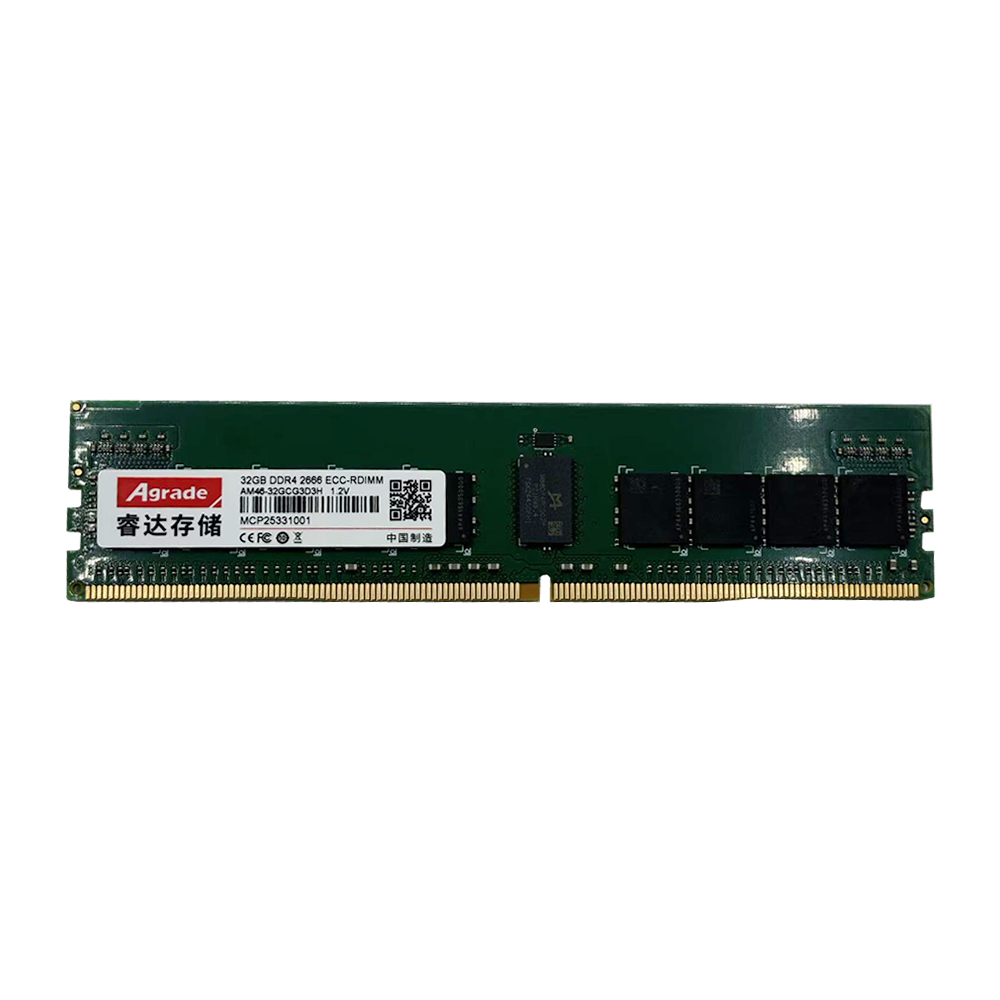
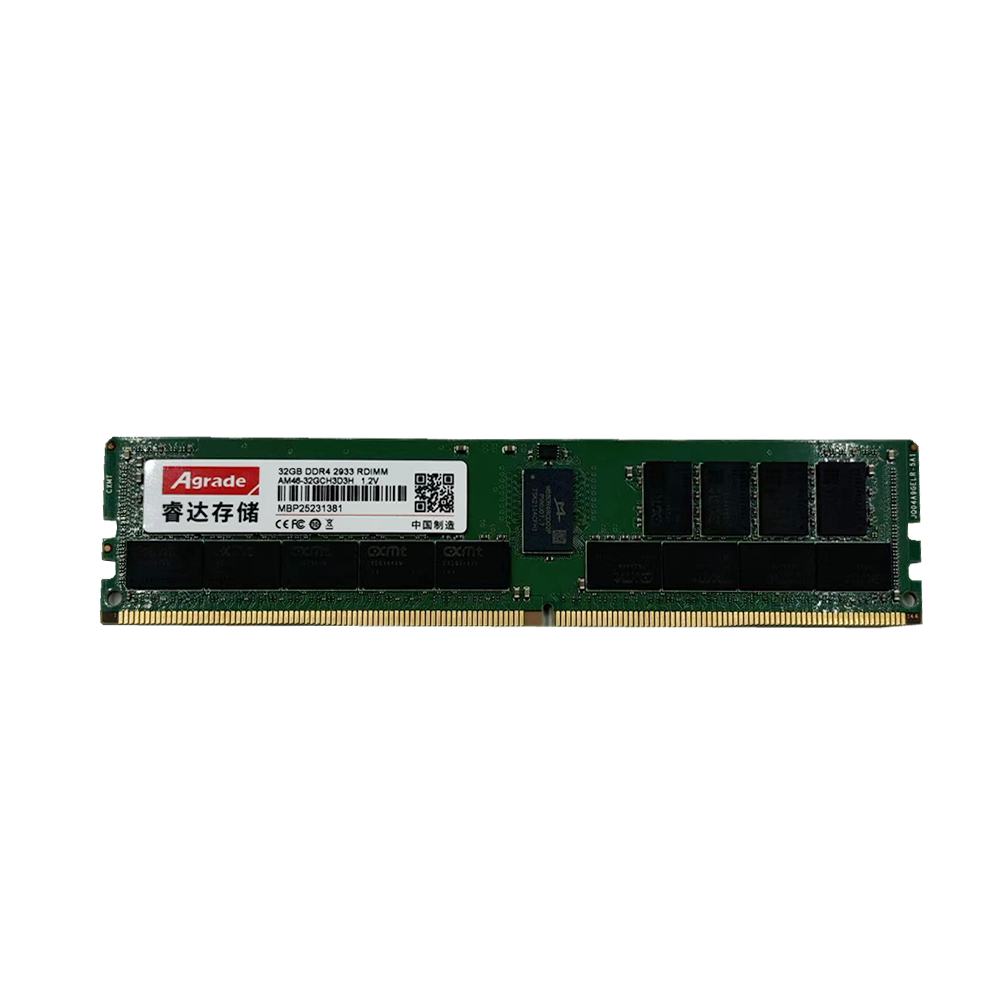
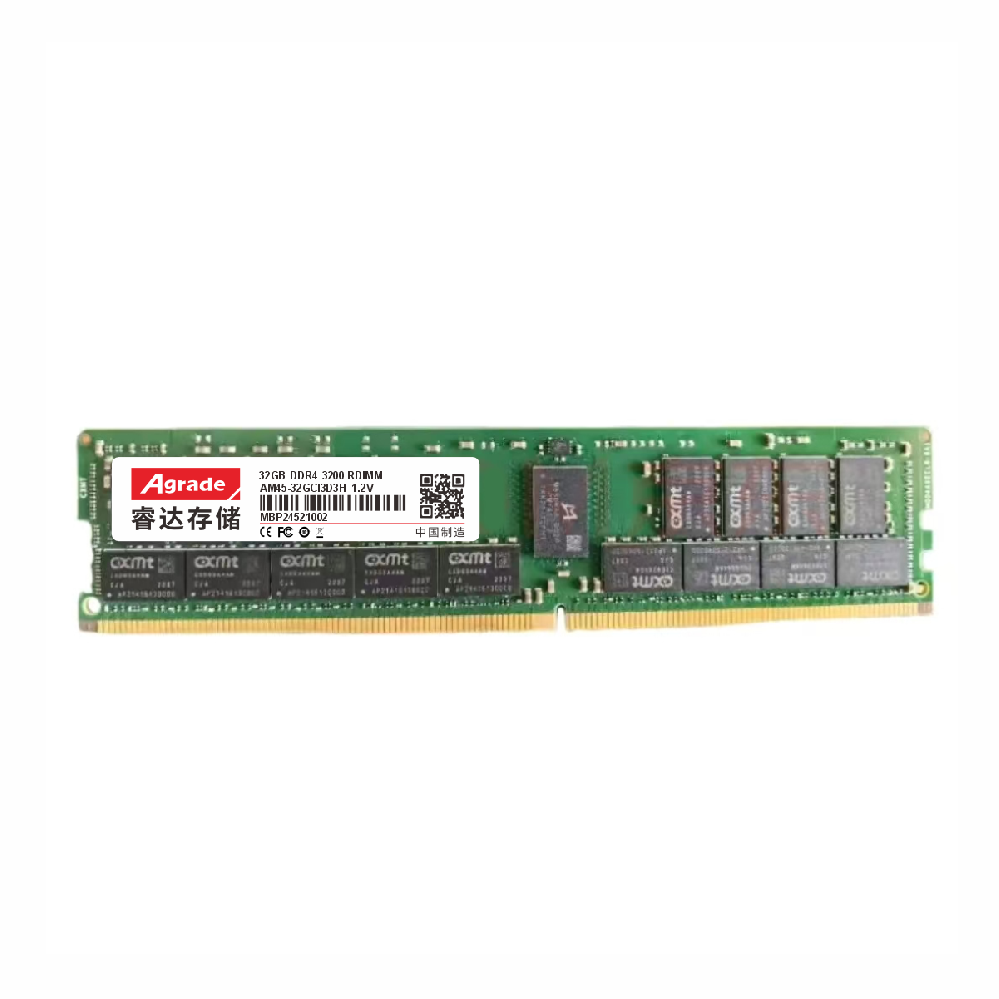
Chip Count: Non-ECC modules have 8 chips per side; ECC modules have 9 chips per side (8 data + 1 ECC).
Label Markings: Look for "ECC" on the module label. Server memory often uses "RDIMM" (Registered DIMM with ECC).
Software Detection: CPU-Z or HWiNFO can read SPD information to confirm ECC support.
For industrial controllers, medical devices, and financial servers, ECC memory is not optional—it is essential for data integrity.

-
Products
Advantages
-
Solutions
-
News
About us
-
Contact us
Tel:+86 19926658803
Whatsapp:+86 19926658803
lianle1210@163.com
Address: 30CF, Caihong Building, Caihong Road, Futian District, Shenzhen City, Guangdong Province, China



Friendly Links:
