






News


 电商部
电商部  2026-04-01 18:00:32
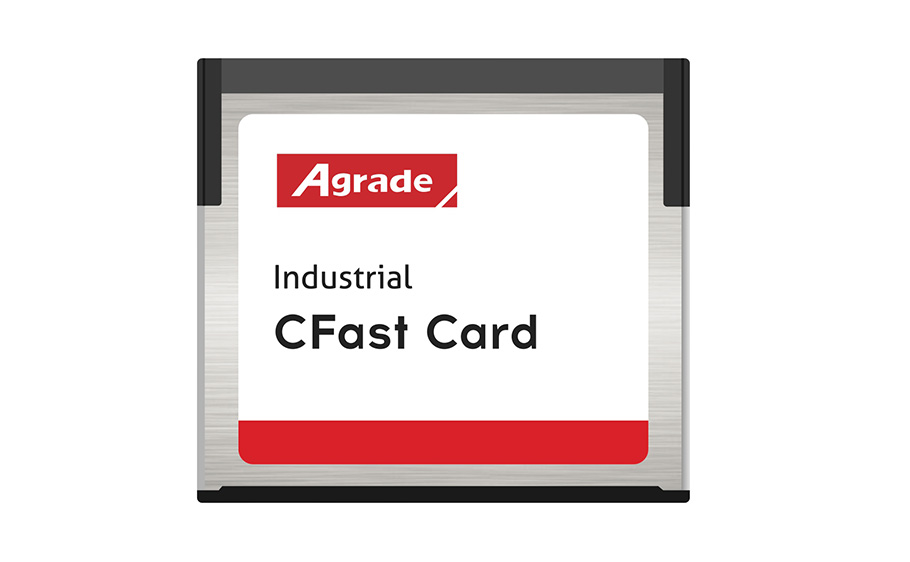
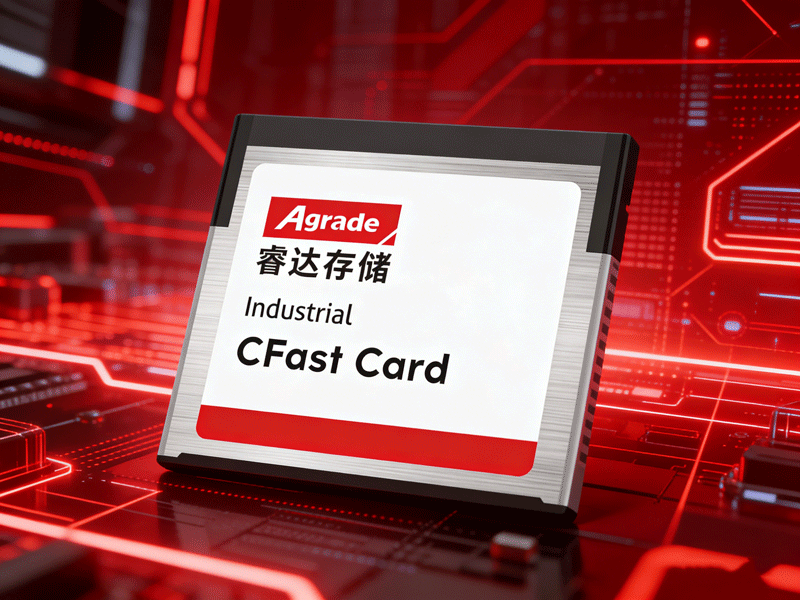
 TRIM and Garbage Collection: How Industrial CFast Cards Maintain Long-Term Performance
SSD performance degradation over time is a common concern. Industrial CFast cards utilize TRIM commands and intelligent garbage collection to sustain consistent performance throughout their lifespan.
1. Why Performance Degrades
CFast cards cannot overwrite data directly; they must erase blocks before writing. When free blocks become scarce, the controller performs read-modify-write operations, causing write amplification and performance drops.
2. The TRIM Command
TRIM is an ATA command that notifies the controller which data blocks are no longer in use by the host. Operating systems send TRIM when files are deleted. Benefits:
Prepares free blocks in advance, avoiding on-the-fly erasure during writes
Reduces write amplification, extending lifespan
Maintains consistent write performance over time
3. Garbage Collection Mechanism
Garbage collection is a background process that consolidates valid data, erases invalid blocks, and prepares free space. Industrial CFast cards employ:
Idle-Time Collection: Active during device idle periods
Priority Management: Algorithms adjust based on data importance
Temperature-Aware Collection: Reduces intensity at high temperatures to prevent overheating
4. Industrial Application Considerations
OS Support: Ensure TRIM is enabled (Windows default; Linux requires configuration)
Over-Provisioning: Industrial CFast cards reserve 7-28% capacity for garbage collection
Workload Awareness: High-write logging applications may benefit from pSLC
5. Selection Guidance
For applications requiring sustained performance over years (continuous data logging, high-frequency recording), select industrial CFast cards with TRIM support and efficient garbage collection algorithms.

-
Products
Advantages
-
Solutions
-
News
About us
-
Contact us
Tel:+86 19926658803
Whatsapp:+86 19926658803
lianle1210@163.com
Address: 30CF, Caihong Building, Caihong Road, Futian District, Shenzhen City, Guangdong Province, China



Friendly Links:
