




News


 电商部
电商部  2026-04-01 17:54:43
 Industrial CFast Card vs. Industrial SSD: Which Storage Solution Fits Your Application?
Both CFast cards and SSDs serve industrial storage needs, but their form factors, interfaces, and application niches differ. Proper selection optimizes system design and cost.
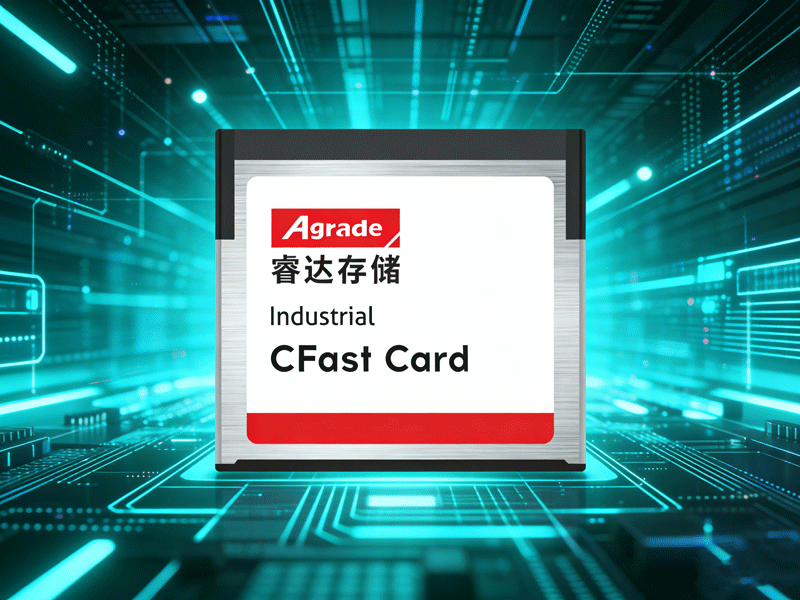
1. Form Factor and Interface Differences
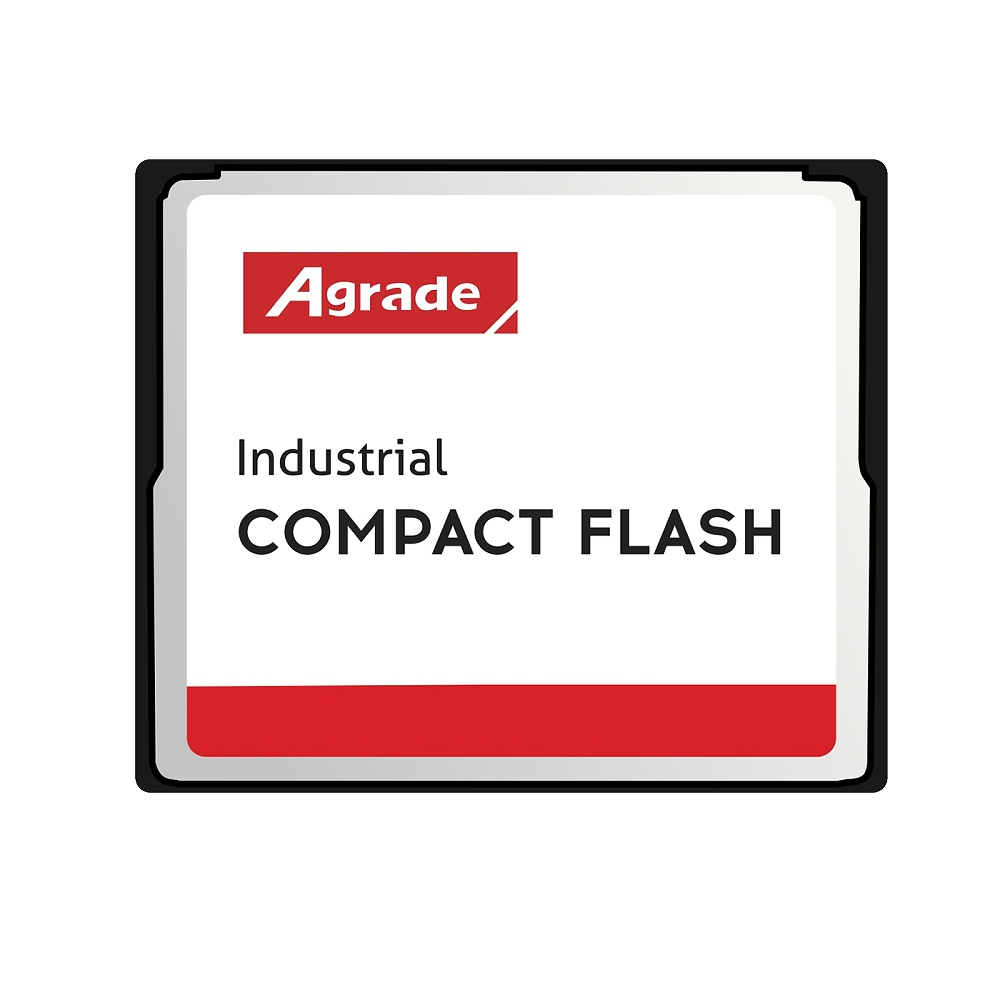
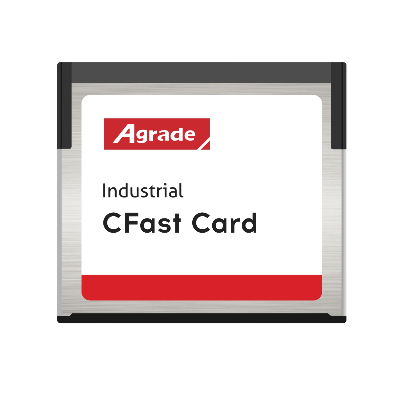
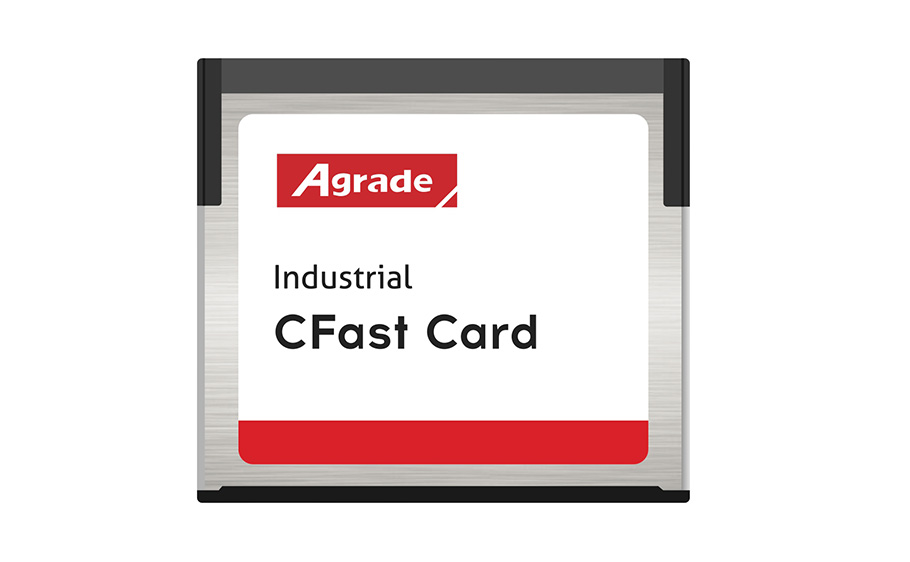
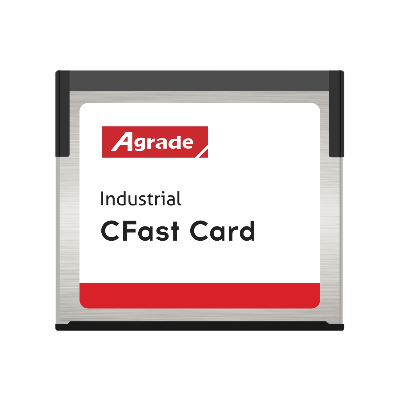
CFast Card: 7+17 pin SATA connector; compact size (approx. 42.8mm × 36.4mm × 3.6mm); removable design
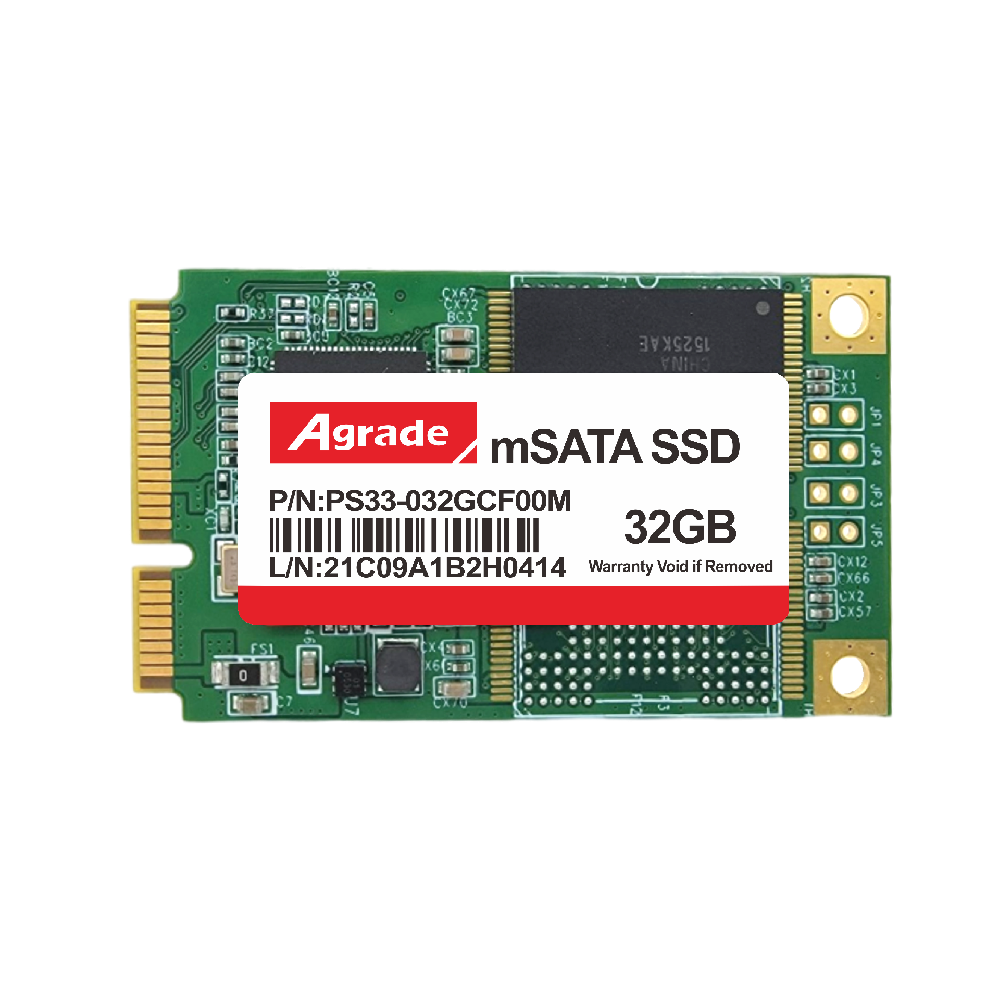
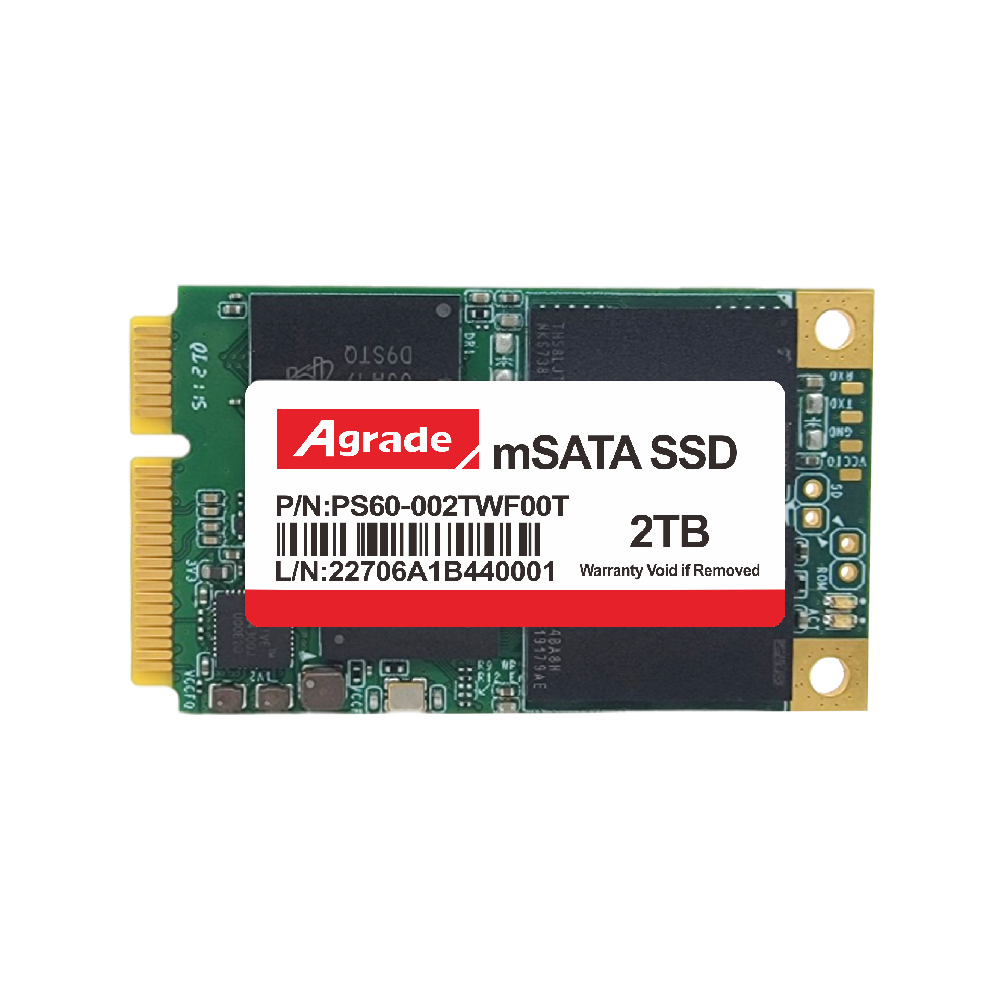
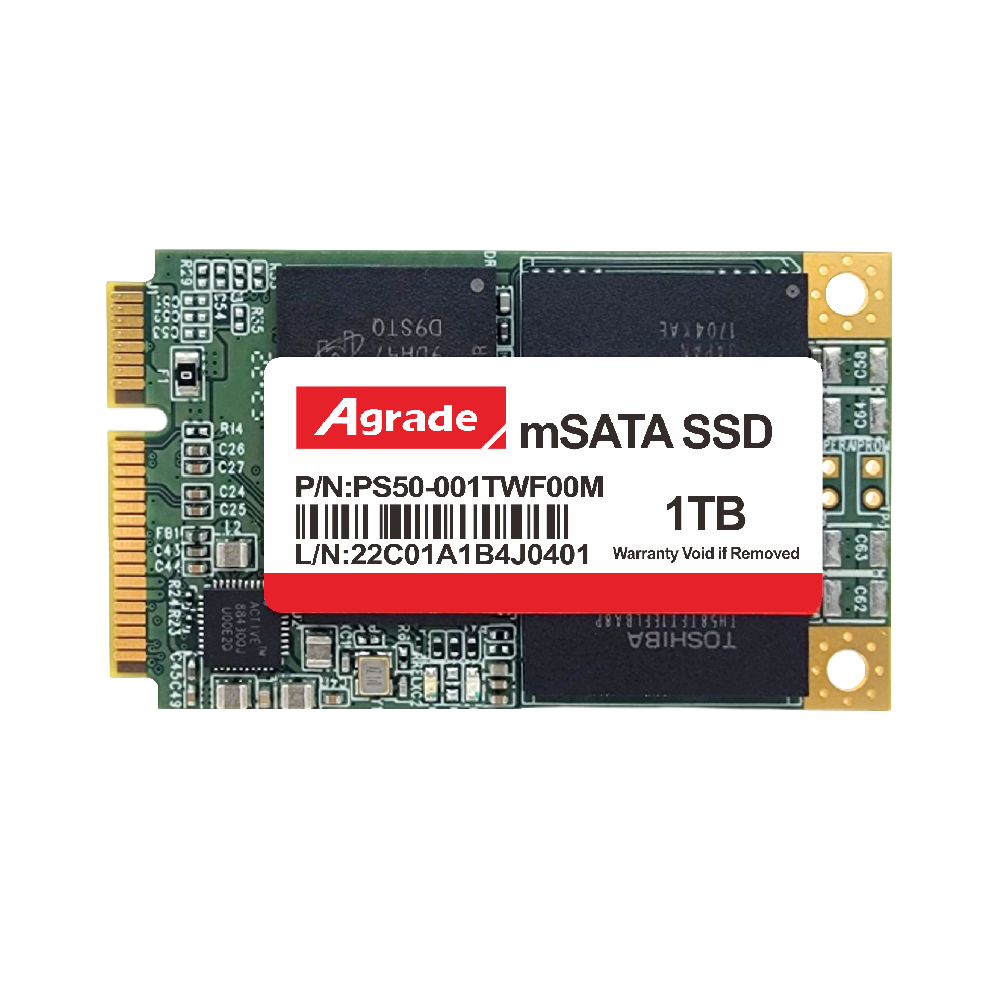
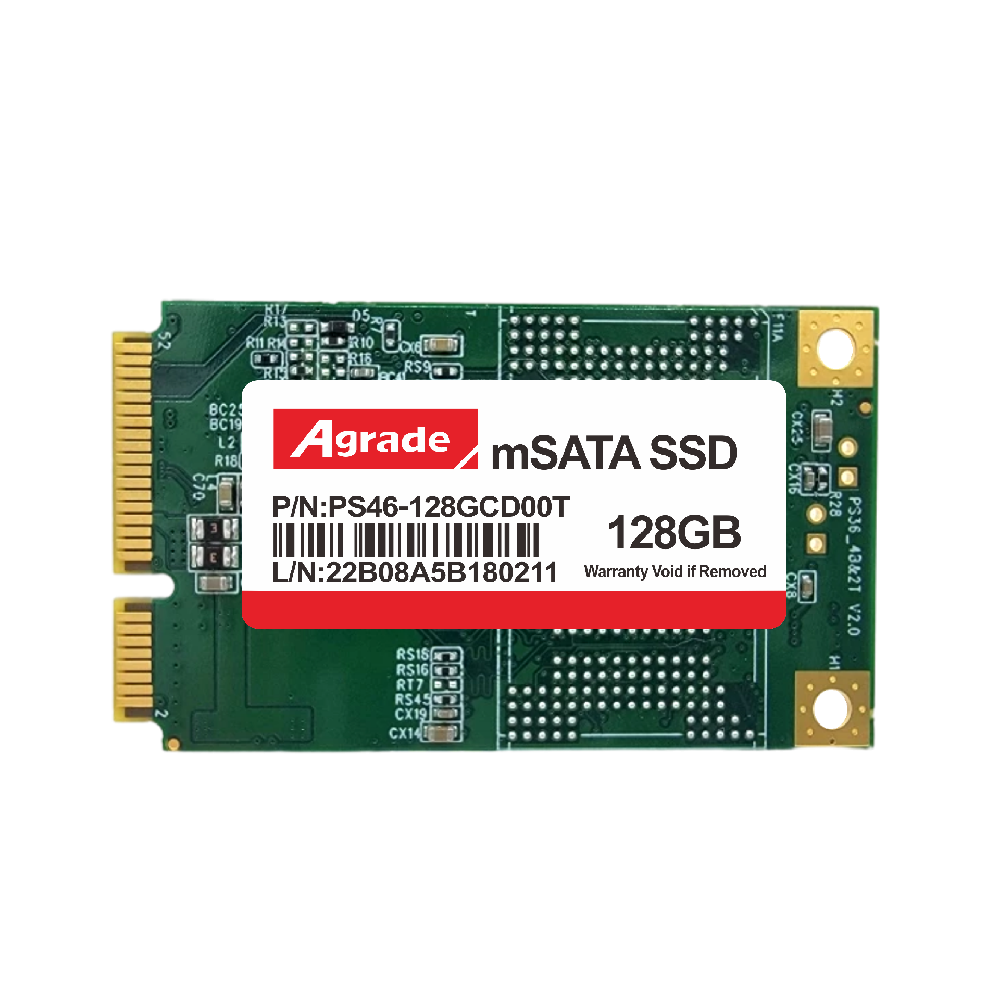
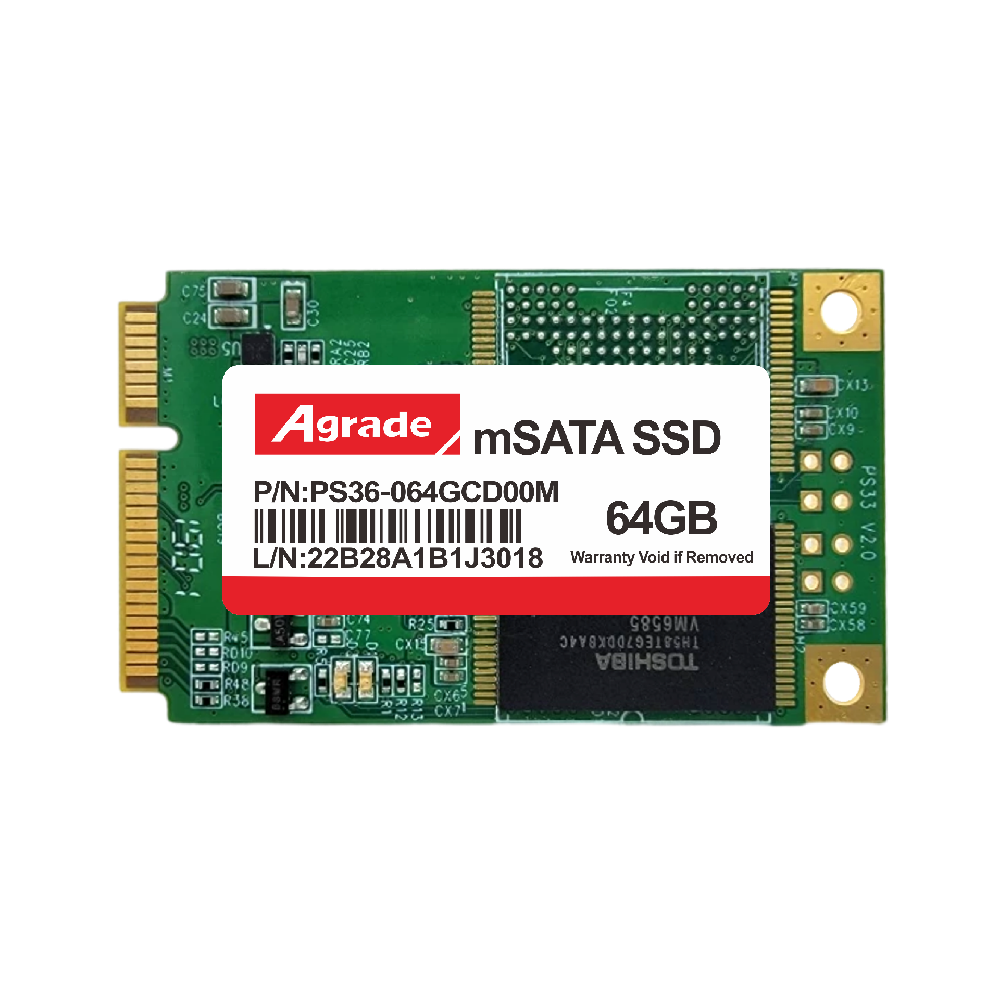
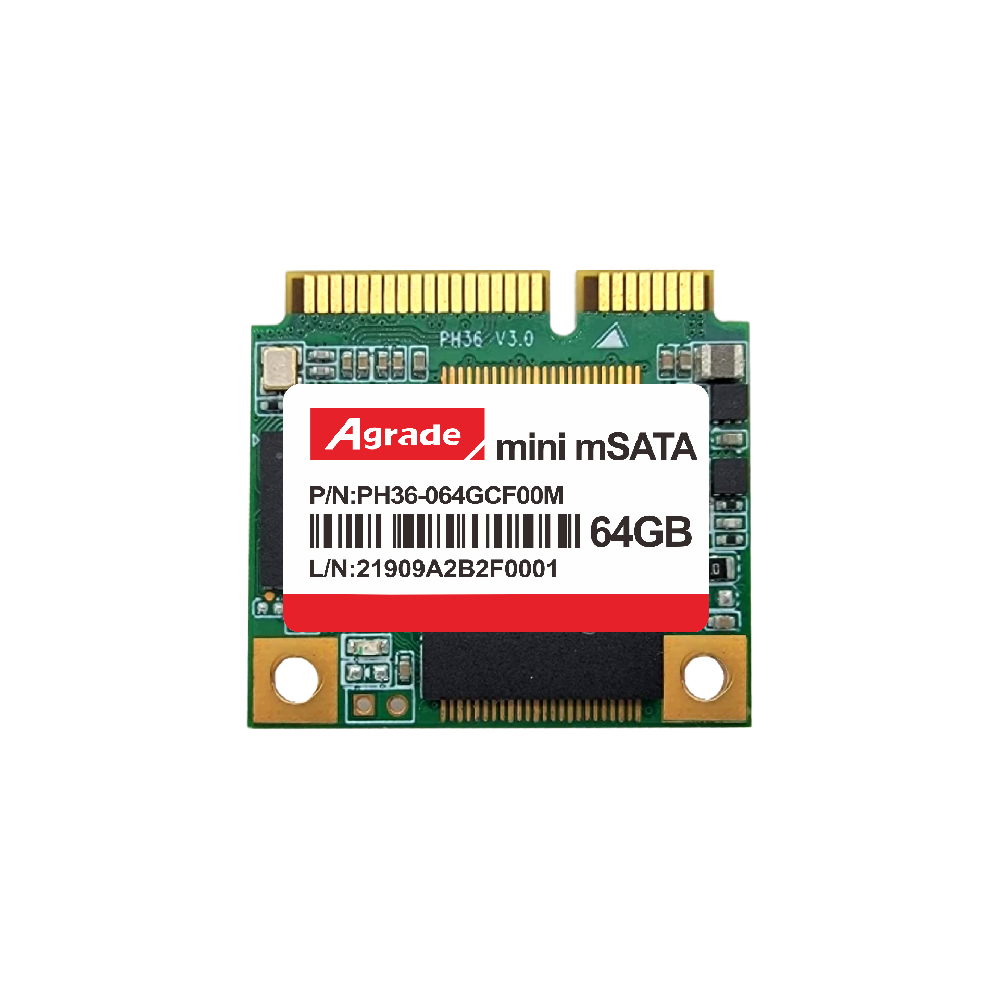
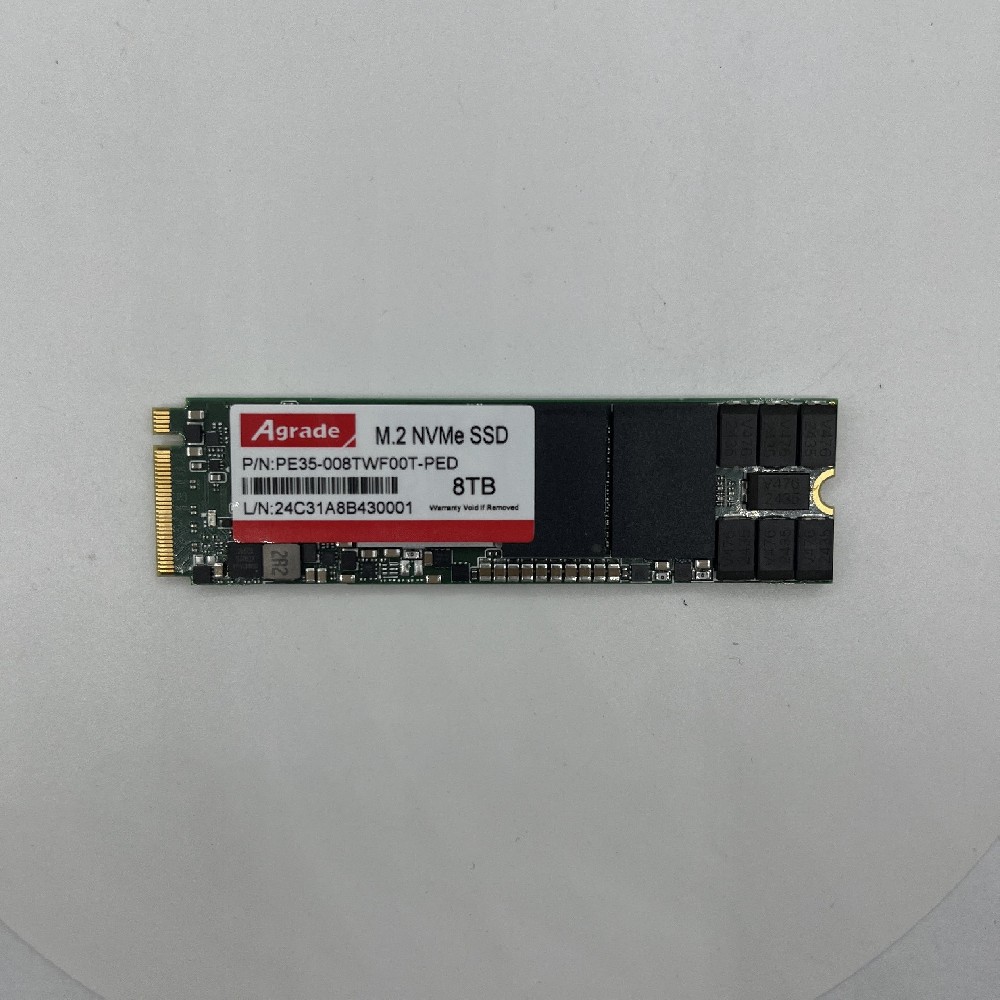
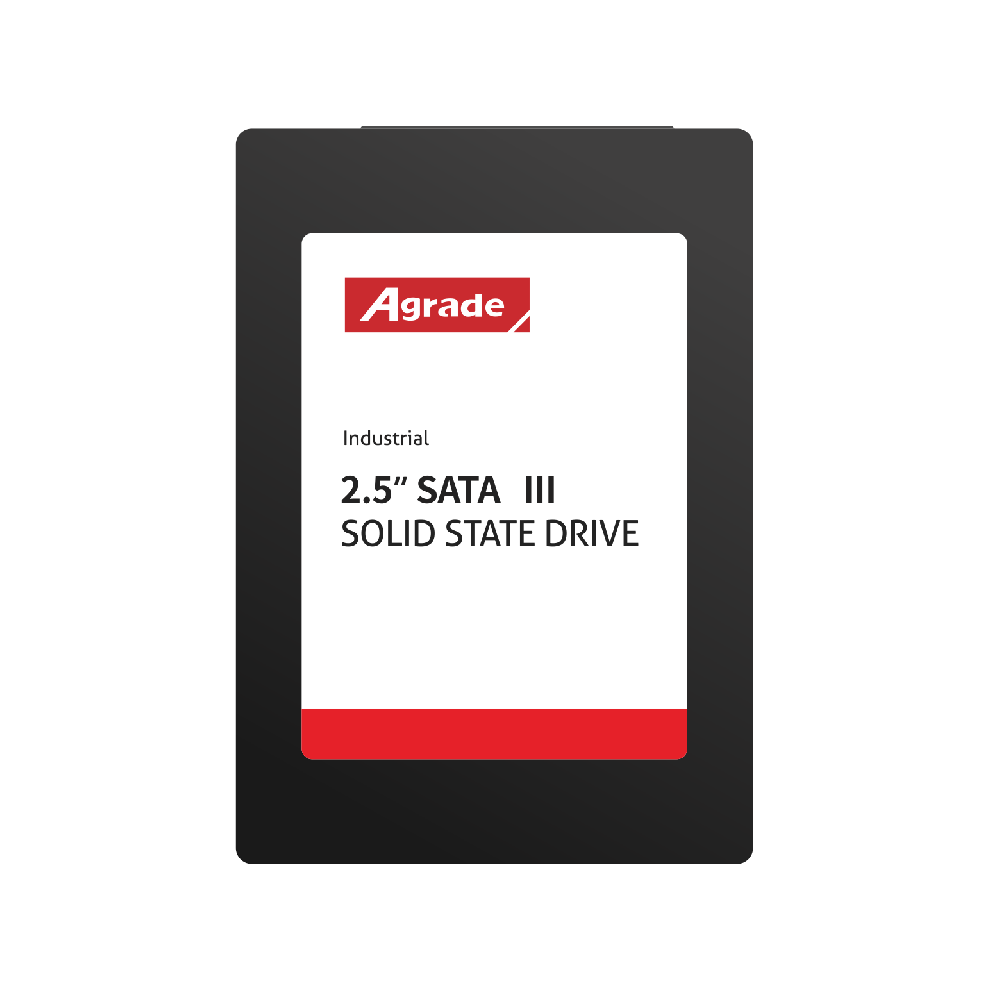
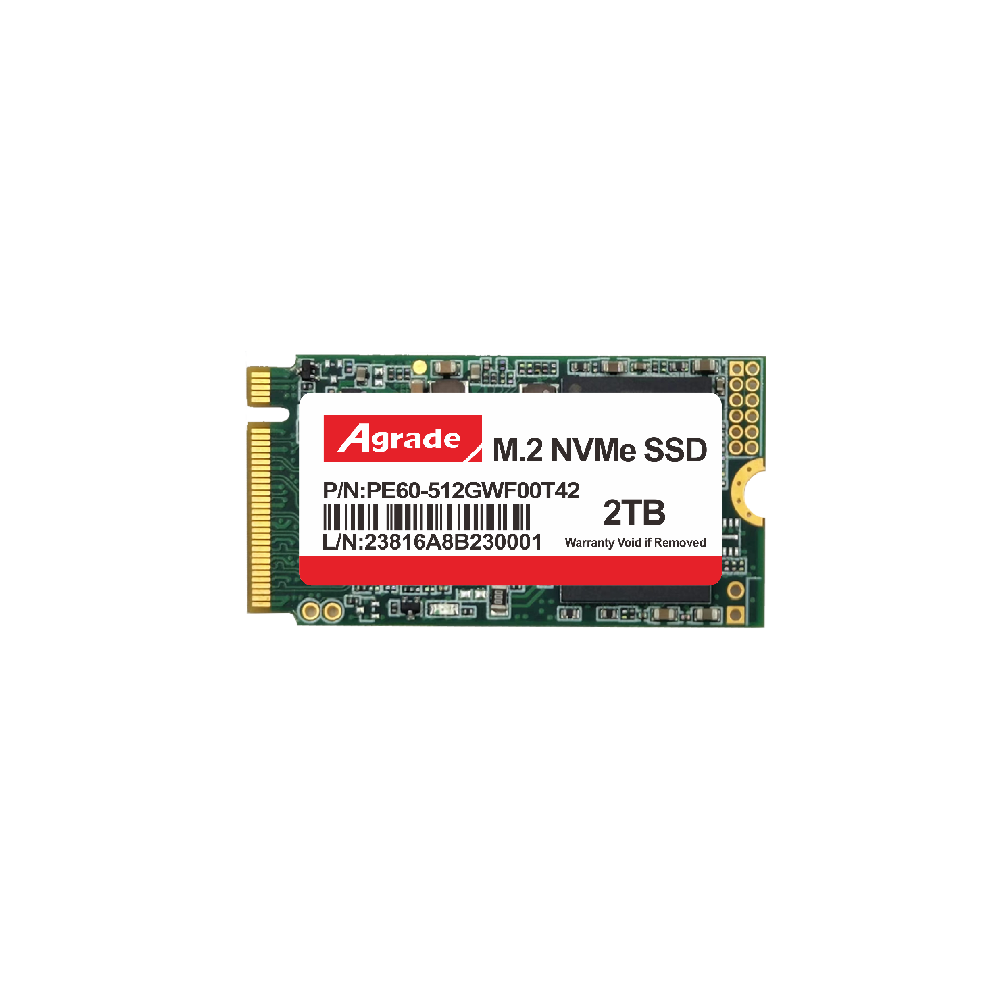
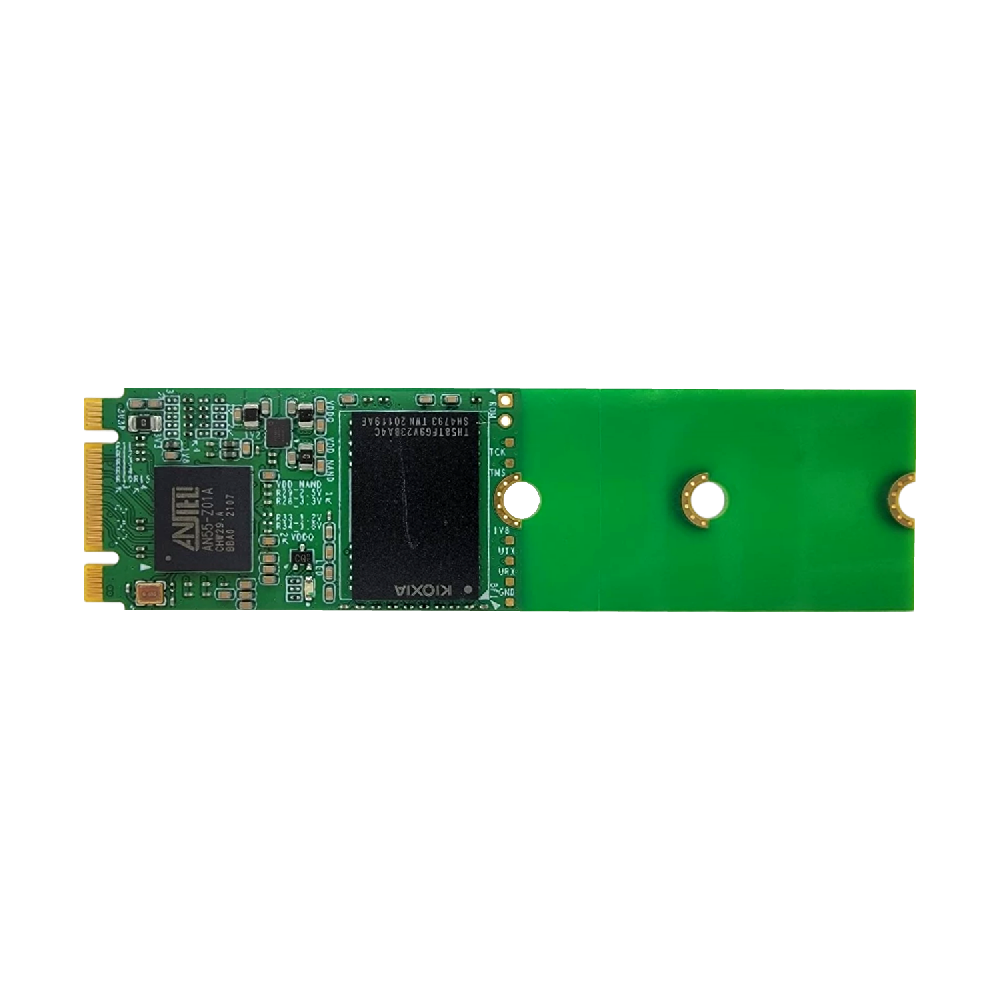
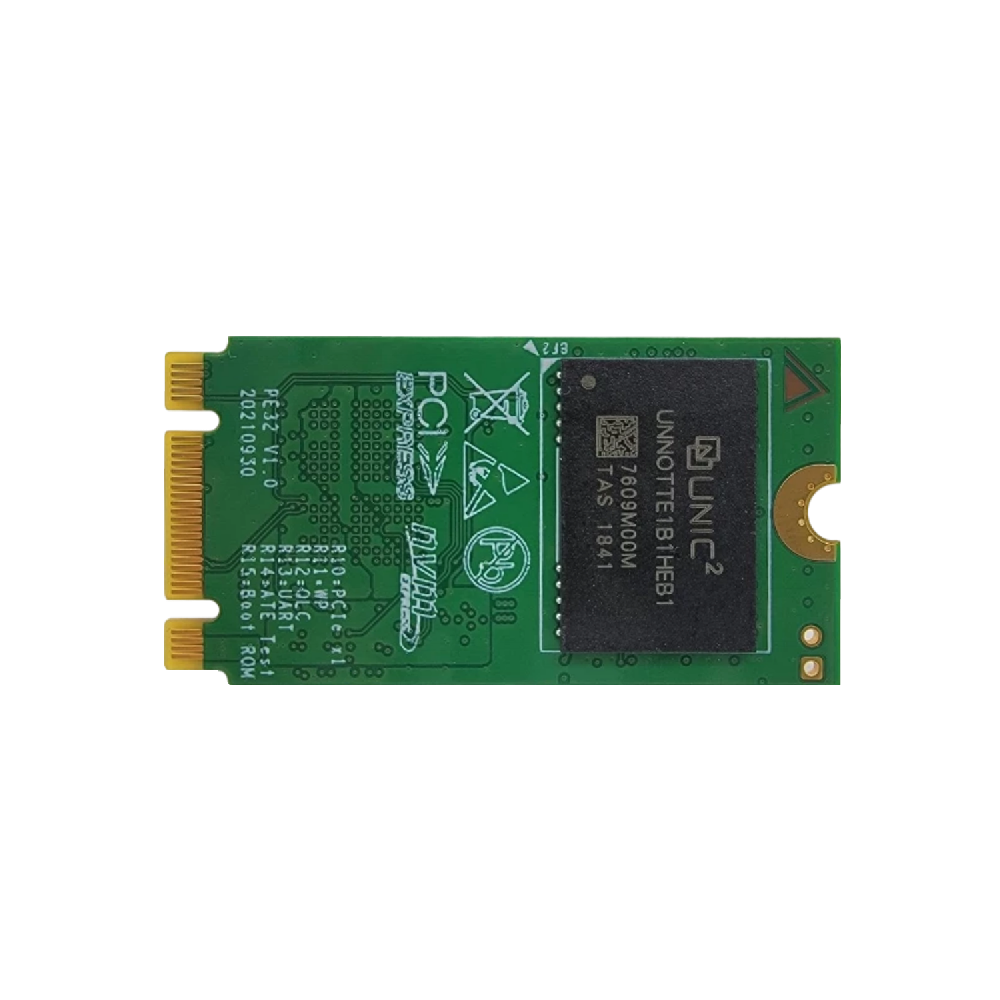
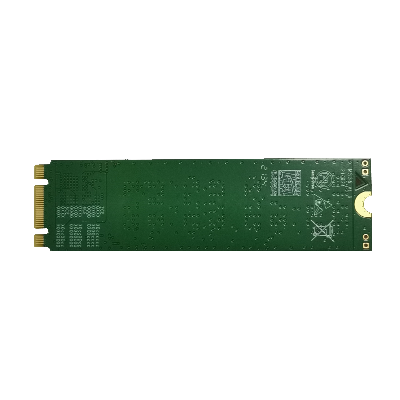
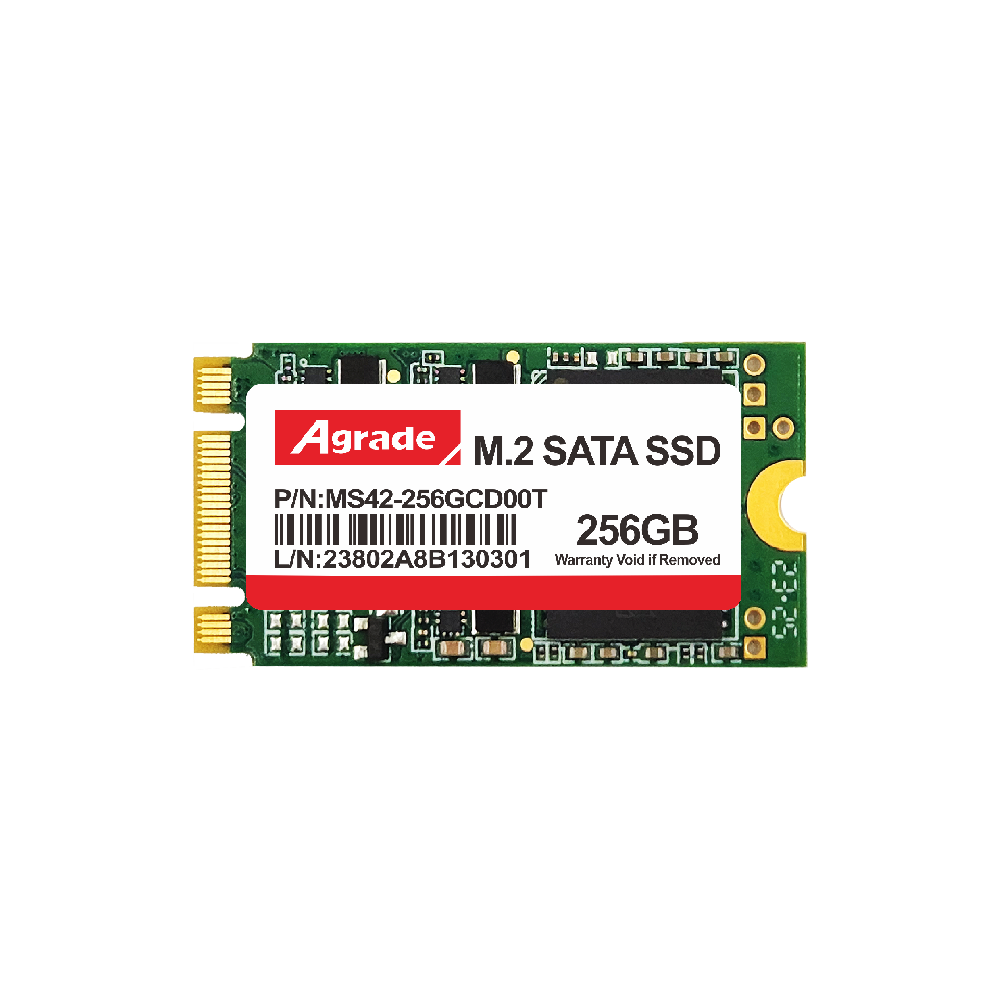
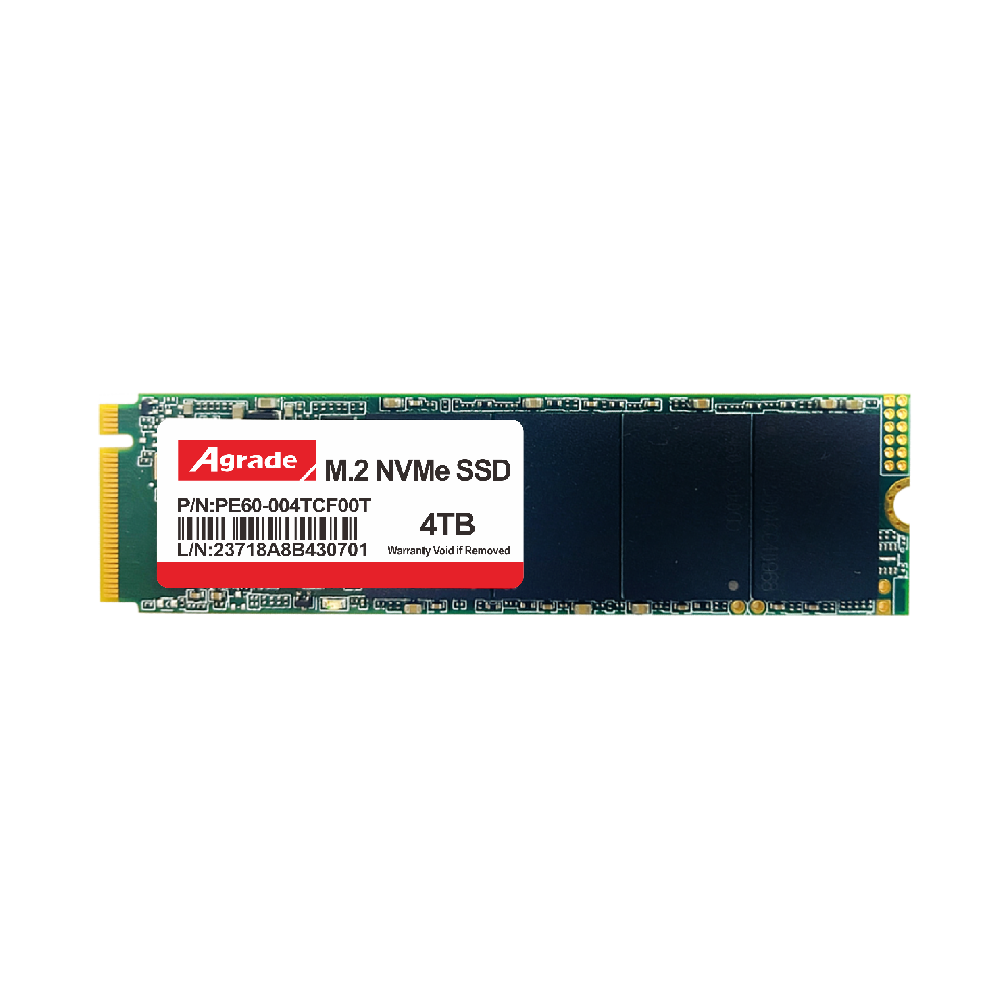
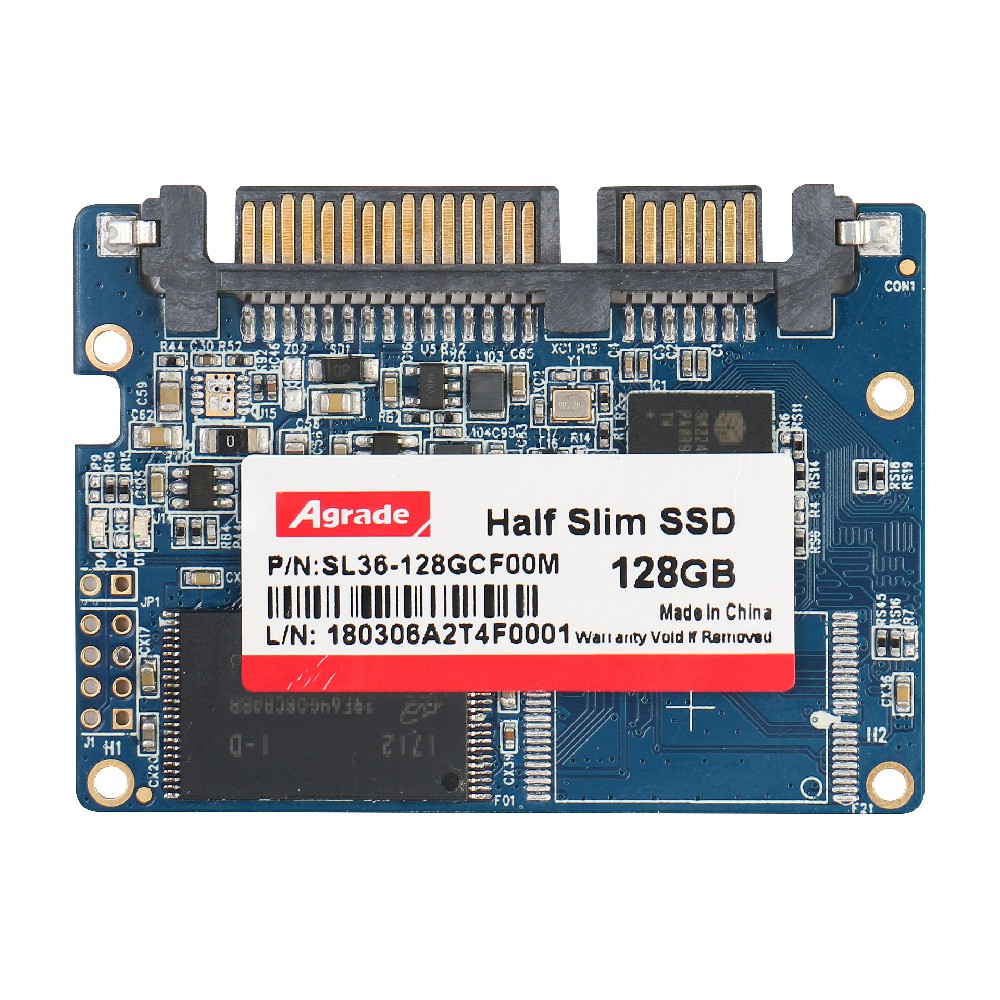
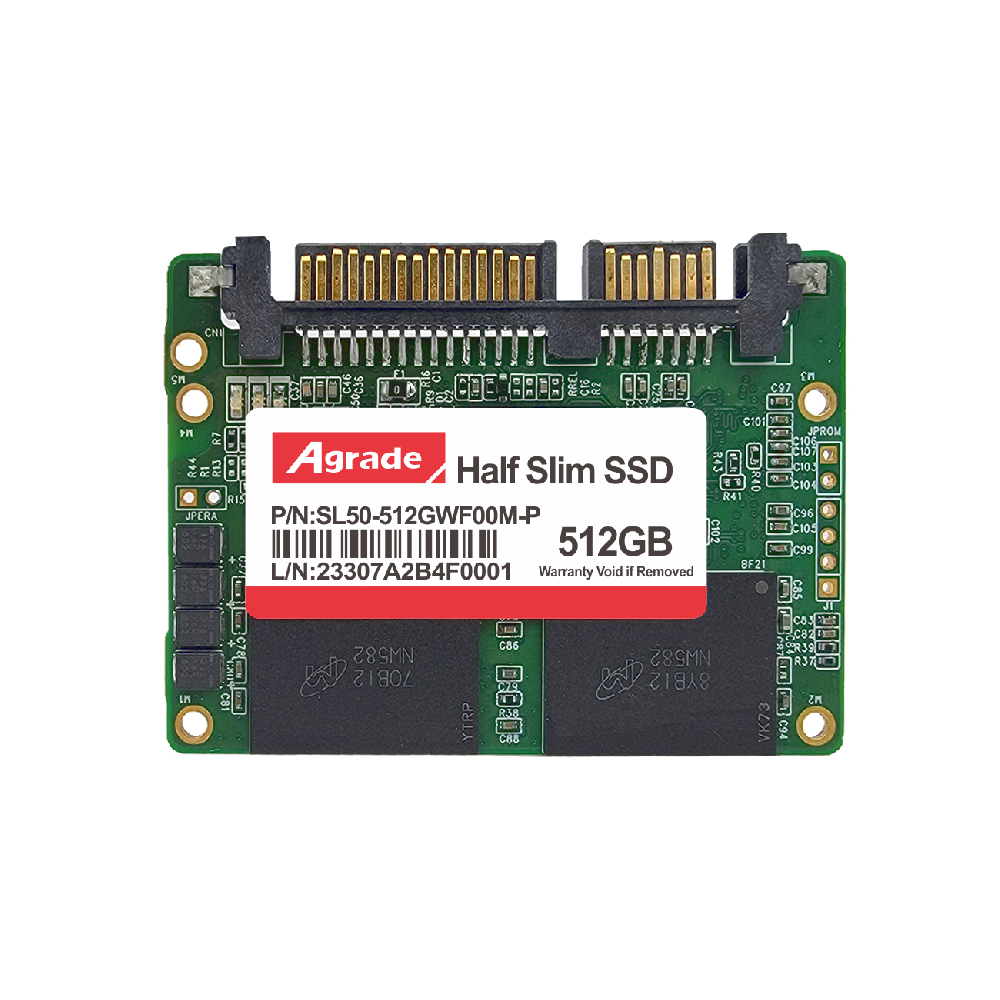
SSD: Available in 2.5-inch, M.2, mSATA form factors; typically fixed installation
2. Performance Comparison
Both deliver similar performance when using SATA interface. However, SSDs can support NVMe protocol, achieving speeds several times higher than CFast cards.
3. Application Suitability
ScenarioRecommendedReason
Portable/RemovableCFast CardEasy field data exchange
Embedded SystemsCFast CardCompact, no mounting hardware needed
Servers/Storage ArraysSSDLarger capacities, better thermal dissipation
High-VibrationCFast CardRemovable with locking mechanism
>512GB CapacitySSDCFast capacity limitations
4. Cost Considerations
At equivalent capacities, CFast cards typically cost slightly more than SSDs due to compact design and removable feature engineering. However, if system design requires removable storage, CFast may offer lower total cost.

-
Products
Advantages
-
Solutions
-
News
About us
-
Contact us
Tel:+86 19926658803
Whatsapp:+86 19926658803
lianle1210@163.com
Address: 30CF, Caihong Building, Caihong Road, Futian District, Shenzhen City, Guangdong Province, China



Friendly Links:
