




News


 电商部
电商部  2026-04-13 11:42:33
 Industrial Grade USB Memory Card vs. Consumer USB Drive: What's the Difference?
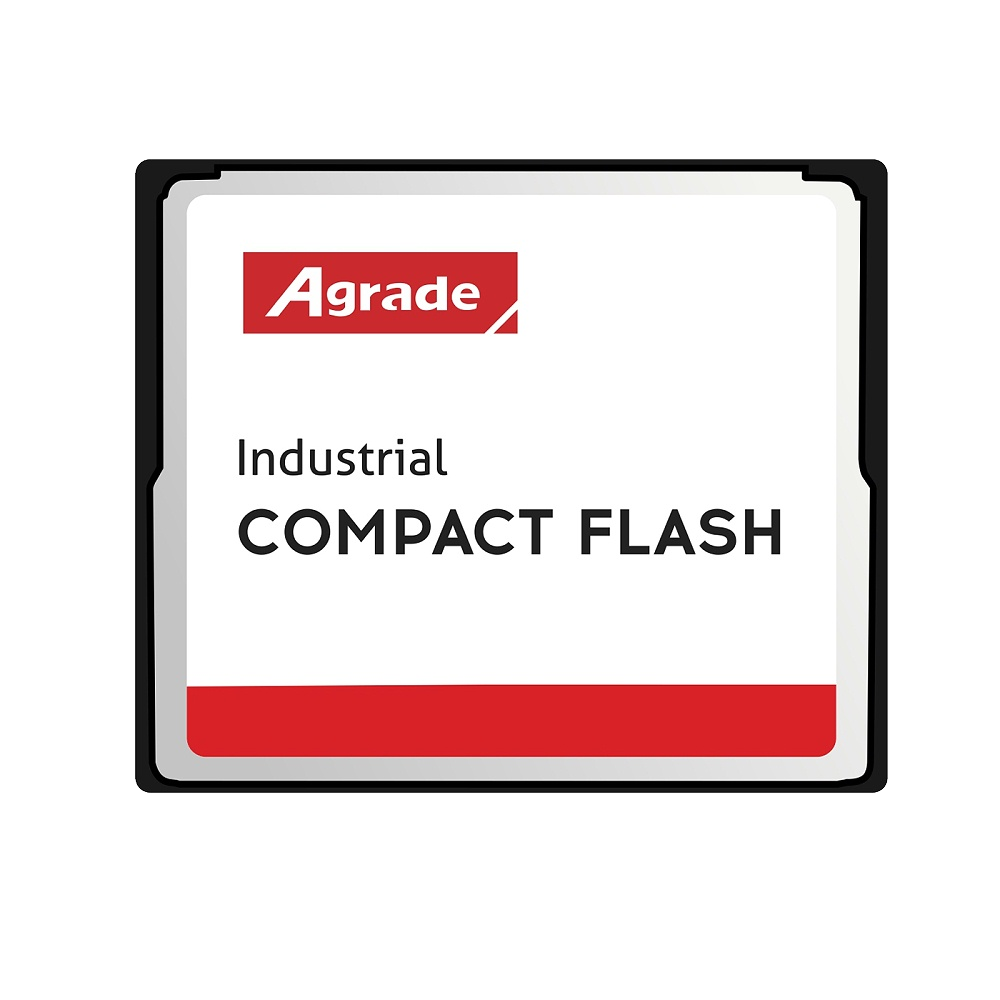
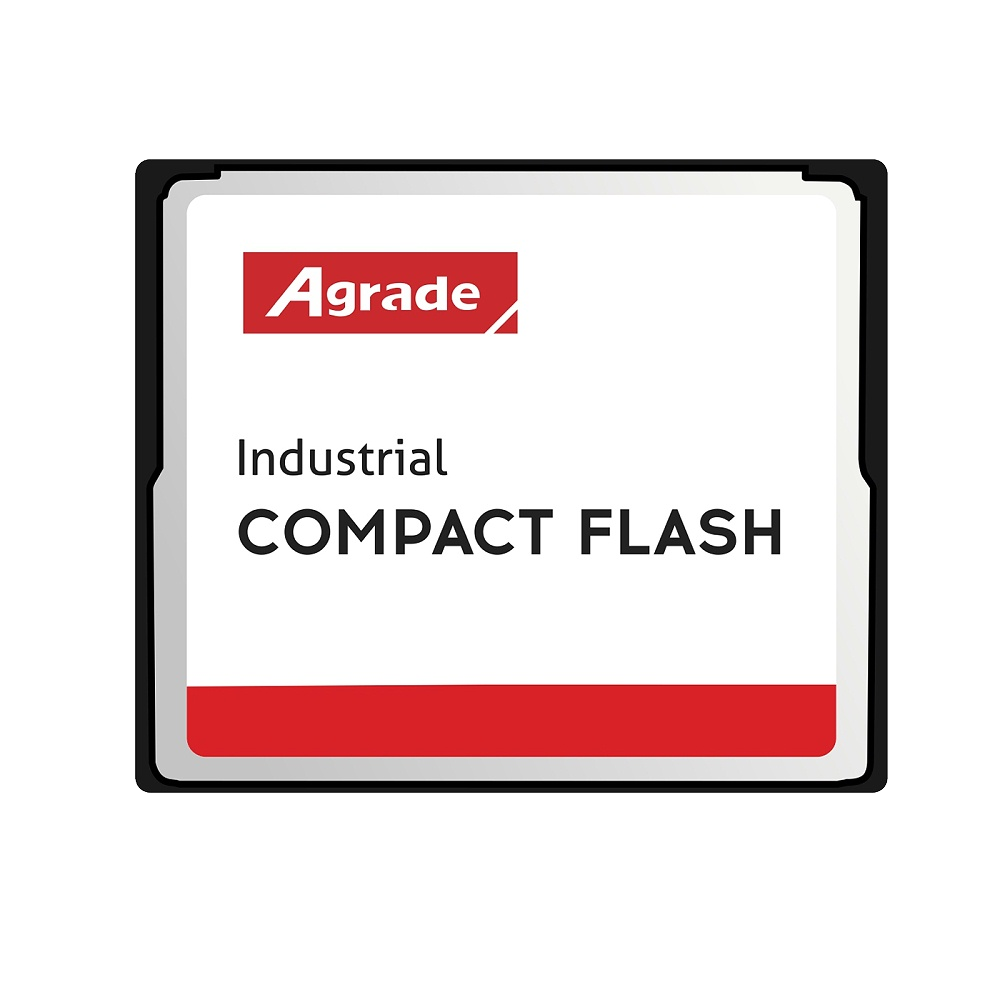
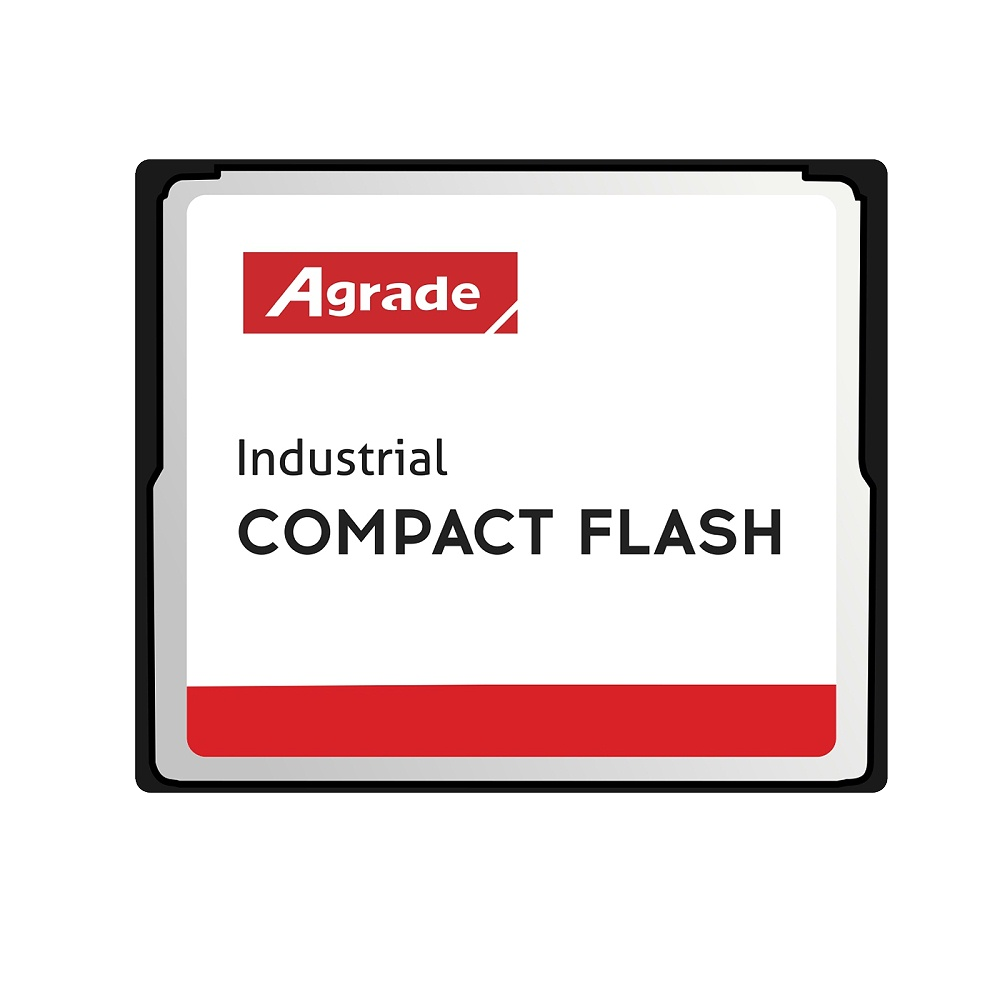
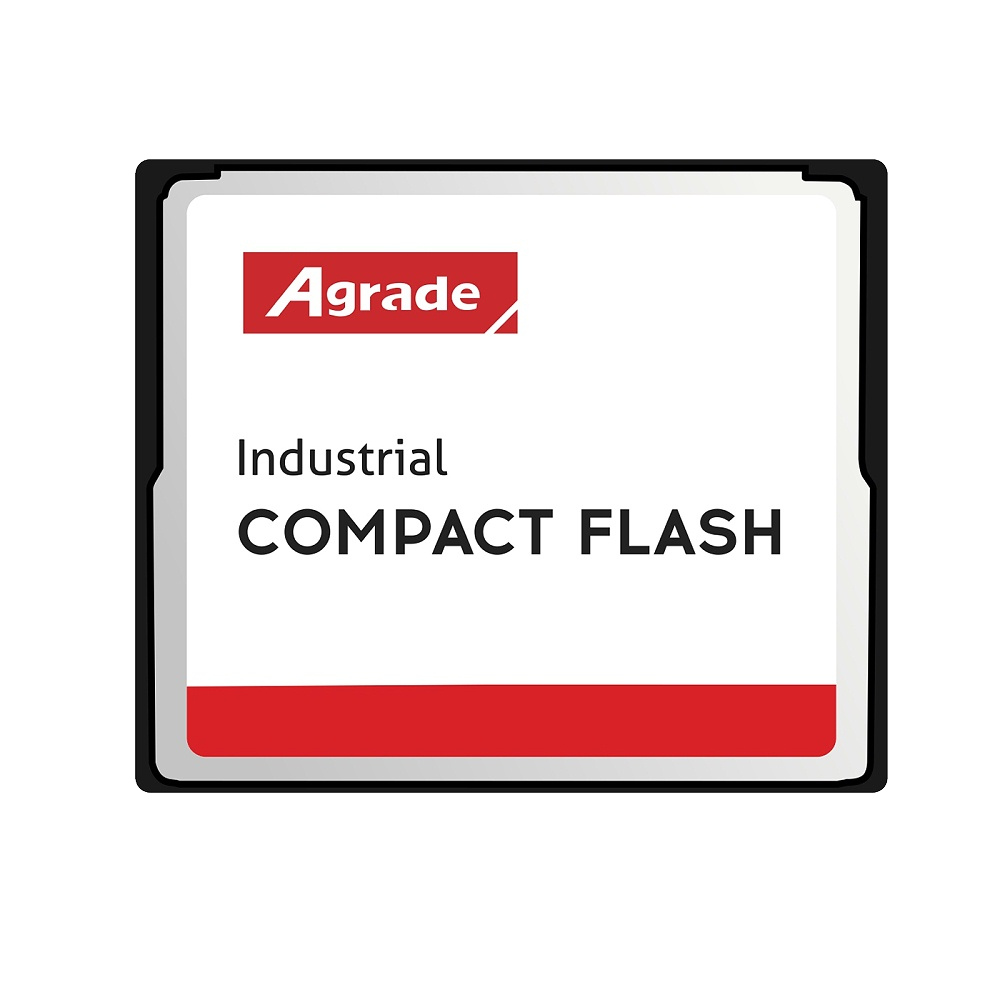
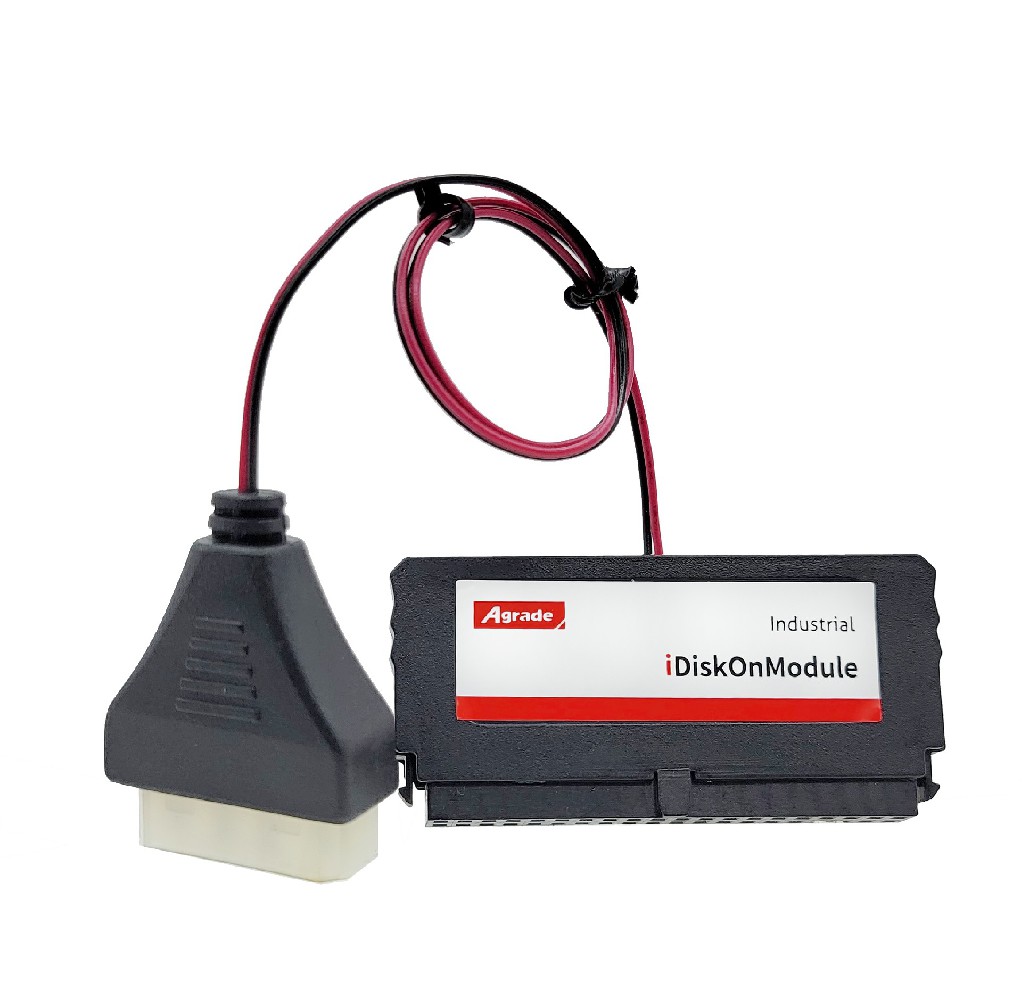
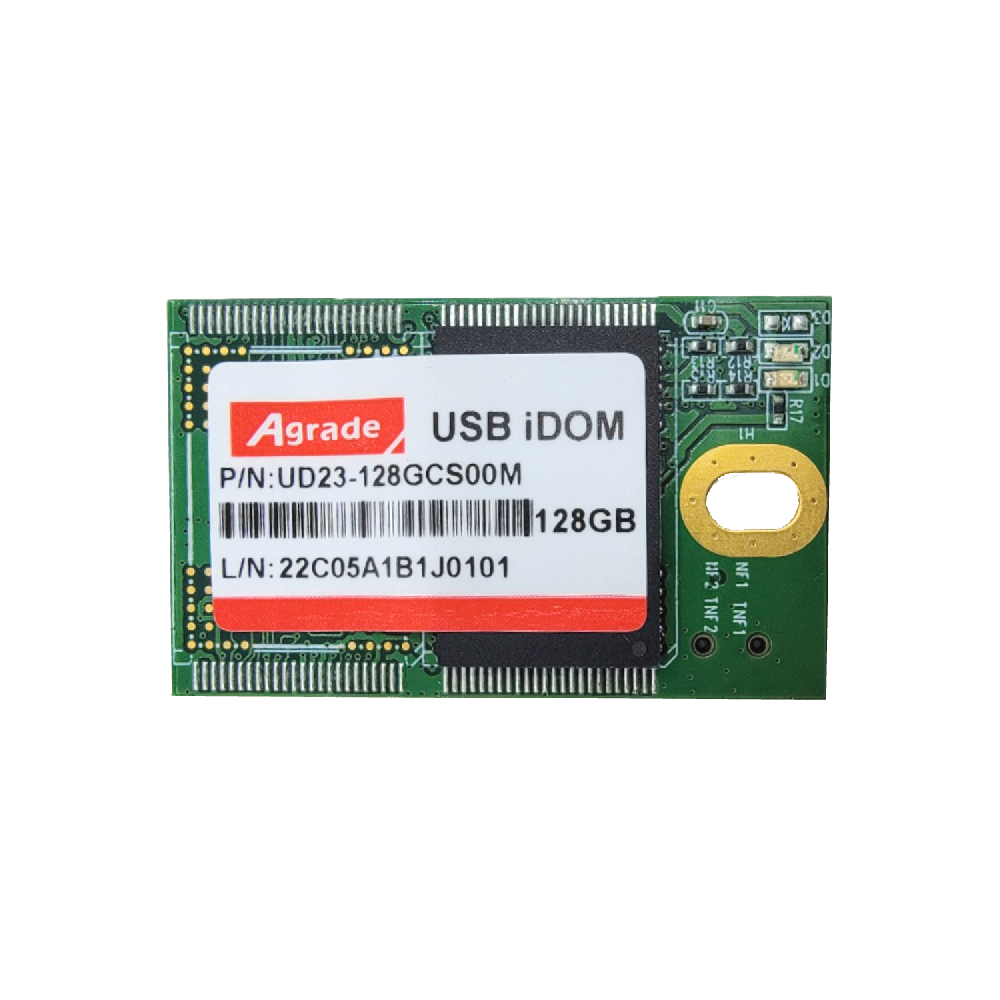
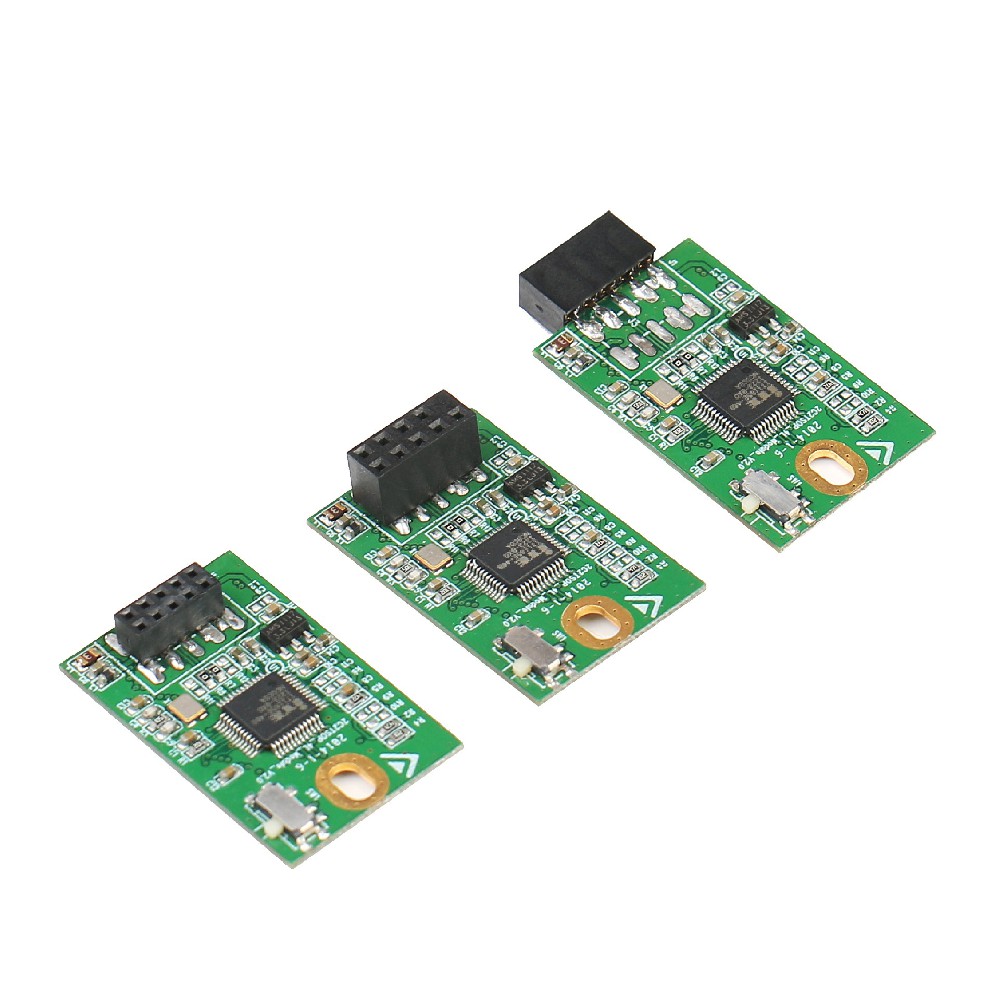
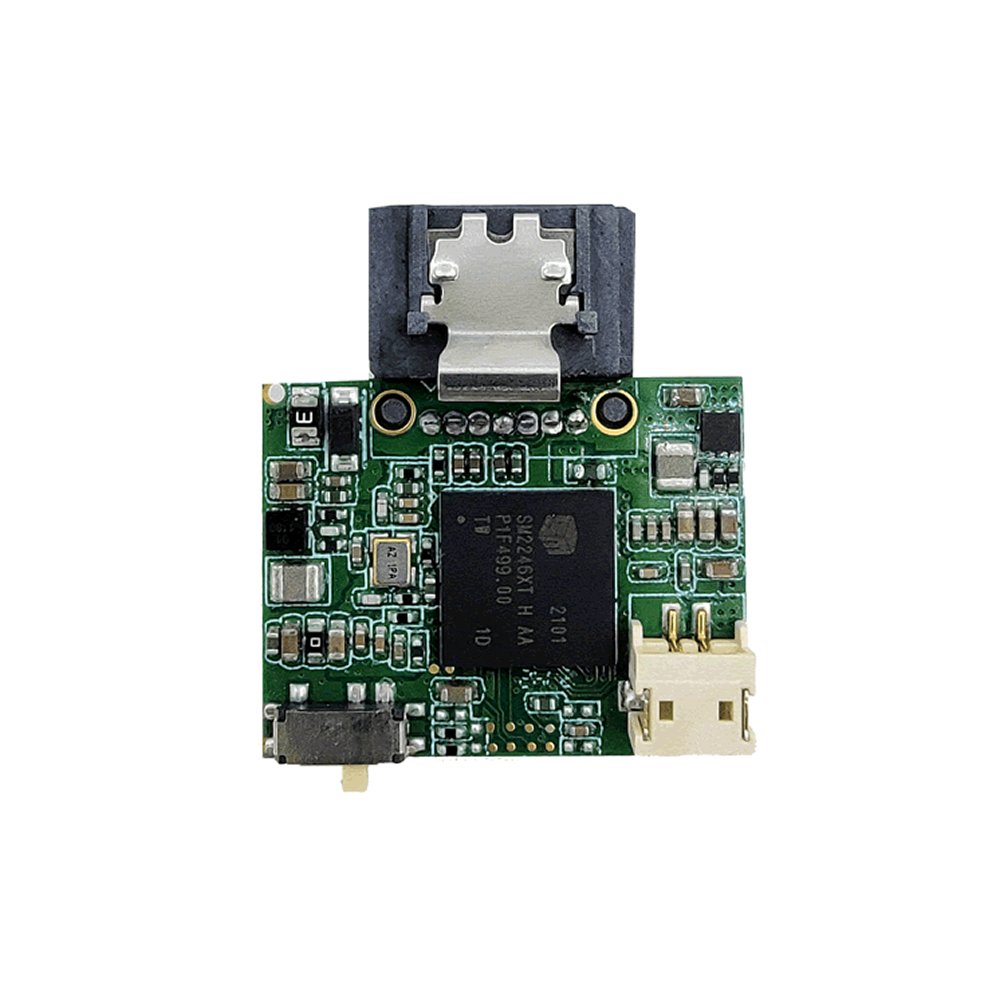
Industrial grade USB memory cards are engineered for reliability in harsh environments, setting them apart from consumer USB drives designed for personal file storage.
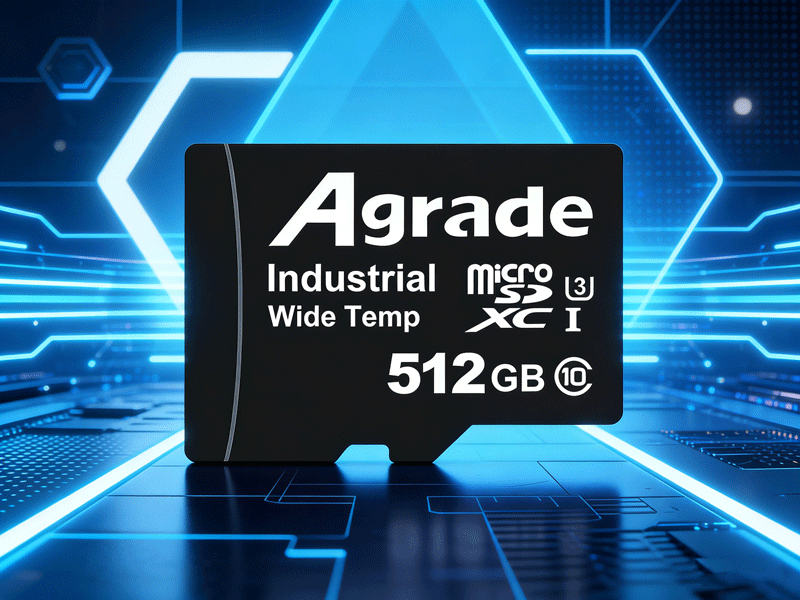
1. Core Definition and Target Applications
An industrial USB memory card is a storage device built with high-endurance NAND flash such as SLC, pSLC, or industrial-grade MLC. It operates across a wide temperature range (-40°C to 85°C) and integrates features like power-loss protection, advanced wear leveling, and enhanced error correction. These drives are deployed in industrial automation, medical equipment, telematics systems, CNC machines, and military applications—anywhere data integrity is mission-critical.
2. Key Differentiating Features
NAND Flash Type: Industrial drives use rigorously screened SLC or pSLC for up to 100,000 program/erase cycles, while consumer drives rely on TLC or QLC with only 500-1,000 cycles.
Firmware Optimization: Features like dynamic wear leveling, read disturb management, and LDPC error correction ensure consistent performance.
Environmental Hardening: Conformal coating protects against moisture; underfill adhesive secures components against vibration.
Data Security: Hardware AES-256 encryption and physical write-protect switches are standard in industrial lines.
3. Why Consumer USB Drives Fail in Industrial Settings
Consumer USB drives lack the thermal management, power-loss protection, and sustained write stability required for 24/7 operation. In a factory or outdoor environment, a consumer drive may fail within months, whereas an industrial drive can operate reliably for a decade or more.
Selecting industrial grade USB storage is an investment in system uptime and data safety, not merely a component purchase.

-
Products
Advantages
-
Solutions
-
News
About us
-
Contact us
Tel:+86 19926658803
Whatsapp:+86 19926658803
lianle1210@163.com
Address: 30CF, Caihong Building, Caihong Road, Futian District, Shenzhen City, Guangdong Province, China



Friendly Links:
