










News


 电商部
电商部  2026-04-10 11:50:00
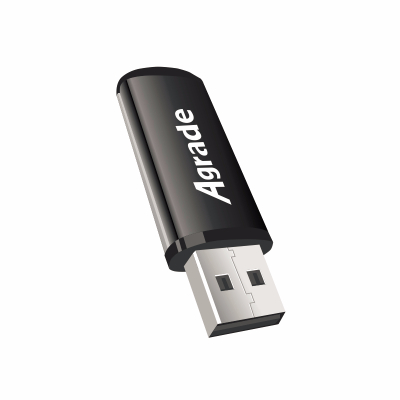
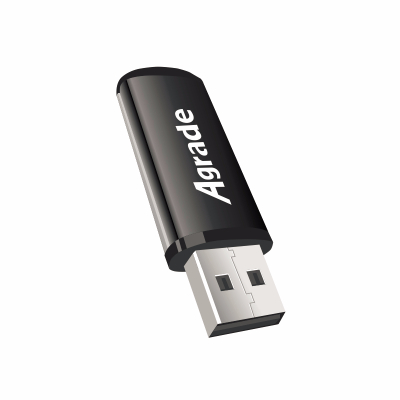
 MTBF and TBW – Understanding Reliability Metrics for an Industrial Grade USB Flash Drive
Technical datasheets for an industrial grade USB flash drive list two important reliability metrics: MTBF (Mean Time Between Failures) and TBW (Total Bytes Written). Understanding these numbers helps you select the right drive and avoid overpaying for unnecessary specifications.
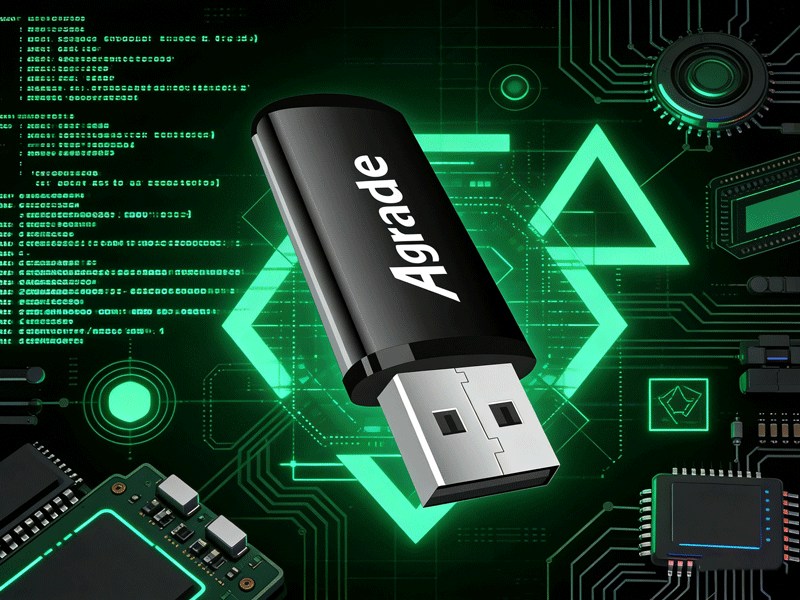
MTBF is a statistical measure, not a prediction of individual drive life. A rating of 2 million hours does not mean the drive will work for 228 years. Instead, it is calculated through accelerated life testing. For example, testing 1,000 drives at high temperature for 1,000 hours generates enough failure data to estimate long-term average performance. Industrial drives typically have MTBF ratings of 500,000 to 2 million hours, compared to consumer drives that often lack any MTBF specification.
TBW measures endurance—how much total data can be written to the drive before it wears out. A 16GB industrial grade USB flash drive might have a TBW rating of 40TB to 80TB, depending on the NAND type (SLC, MLC, or 3D TLC). This rating is far more useful for real-world planning than cycle counts alone.
When selecting a drive, match TBW to your application. A data logging device writing 10GB per day needs a higher TBW drive than a firmware update tool used once per month. MTBF matters more for 24/7 operational environments. Together, these metrics provide an objective basis for comparing industrial storage products.

-
Products
Advantages
-
Solutions
-
News
About us
-
Contact us
Tel:+86 19926658803
Whatsapp:+86 19926658803
lianle1210@163.com
Address: 30CF, Caihong Building, Caihong Road, Futian District, Shenzhen City, Guangdong Province, China



Friendly Links:
