




News


 电商部
电商部  2026-04-10 11:48:22
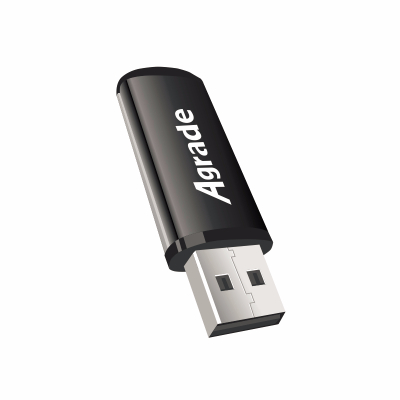
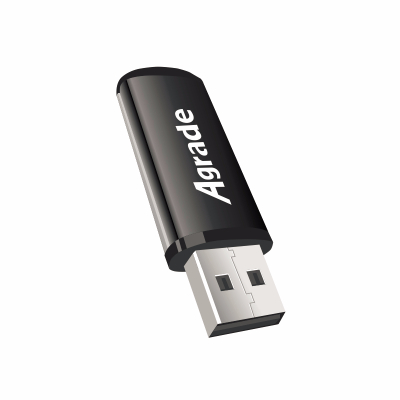
 USB 2.0 vs. USB 3.0 – Which Interface Is Better for an Industrial Grade USB Flash Drive?
A common mistake is assuming USB 3.0 is always superior to USB 2.0 for industrial use. While USB 3.0 offers higher theoretical speeds, industrial applications have different priorities. Choosing the wrong interface can cause compatibility issues.
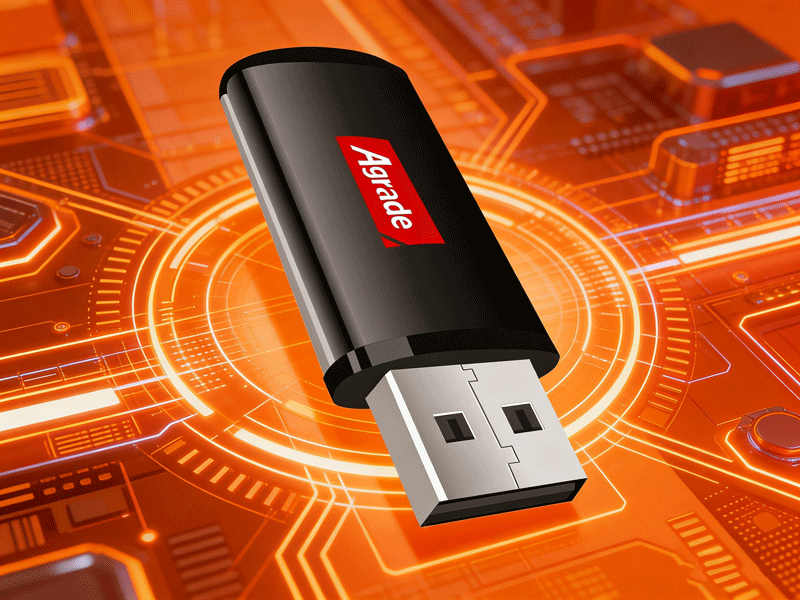
Many legacy industrial motherboards and PLCs (Programmable Logic Controllers) only support USB 2.0. While USB 3.0 drives are backward compatible, some older BIOS implementations struggle with USB 3.0 enumeration, requiring reboots or failing to recognize the drive at all. For critical control systems, a native industrial grade USB flash drive with USB 2.0 is often more reliable.
Speed is rarely the bottleneck in industrial logging. Most industrial data—PLC logs, sensor readings, configuration parameters—consists of small files under 1MB. The difference between USB 2.0 (480 Mbps) and USB 3.0 (5 Gbps) is negligible for these workloads. However, USB 3.0 consumes more power, which can be problematic in sealed enclosures with poor heat dissipation.
USB 2.0 also offers better signal integrity over longer cables (3–5 meters), important for remote mounting. For new designs requiring large firmware images or video transfers, USB 3.0 makes sense. For legacy integration or text-based logging, a high-quality USB 2.0 industrial grade USB flash drive is often the better choice.

-
Products
Advantages
-
Solutions
-
News
About us
-
Contact us
Tel:+86 19926658803
Whatsapp:+86 19926658803
lianle1210@163.com
Address: 30CF, Caihong Building, Caihong Road, Futian District, Shenzhen City, Guangdong Province, China



Friendly Links:
