




News


 电商部
电商部  2026-04-07 15:15:56
 SPD Explained: How Industrial Memory Modules Ensure Compatibility
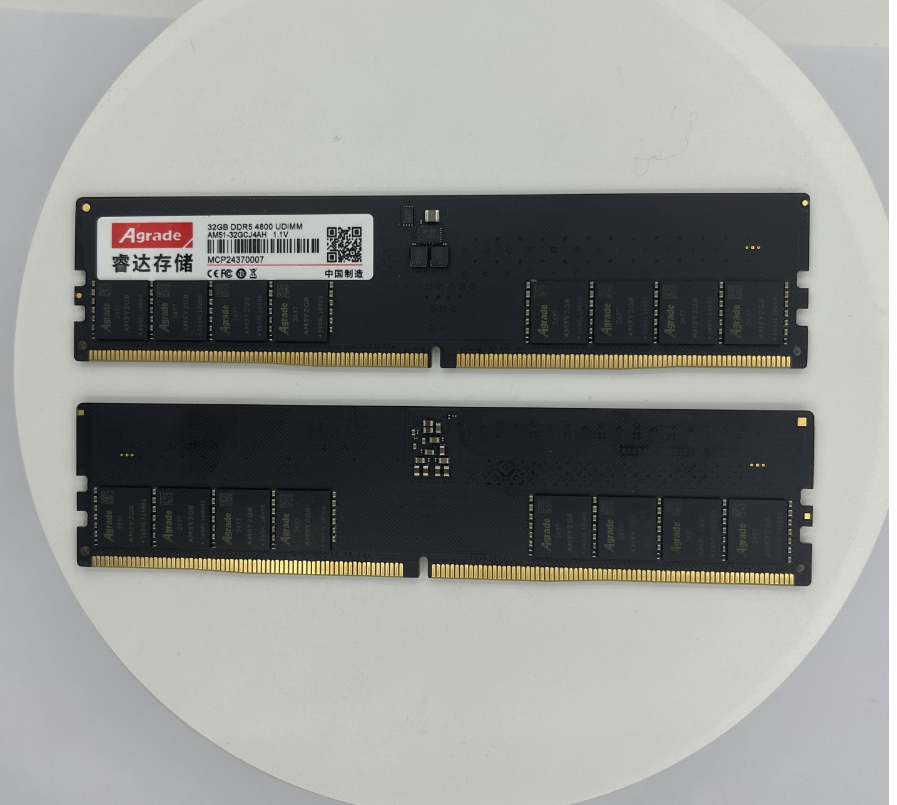
SPD (Serial Presence Detect) is a small EEPROM on every memory module that stores configuration parameters. Industrial memory modules use SPD customization to ensure compatibility across diverse industrial motherboards.
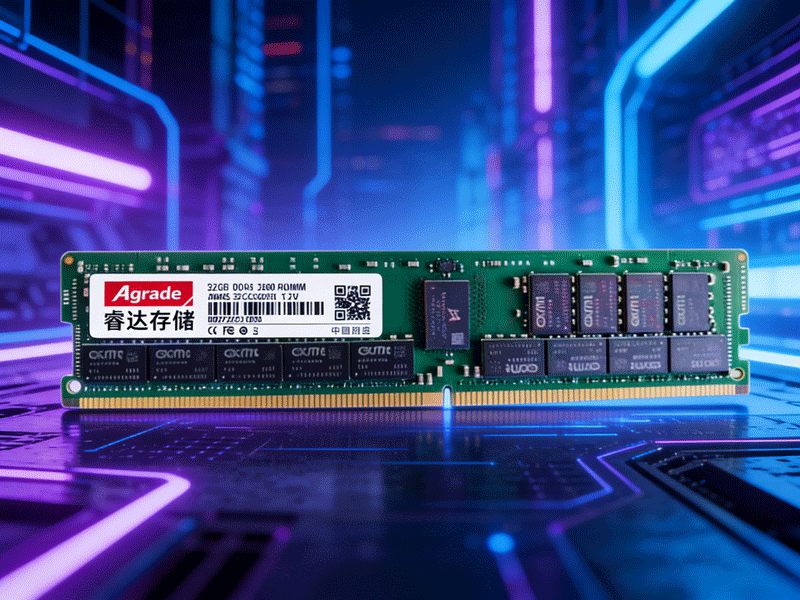
1. What SPD Stores
Basic Information: Capacity, frequency, timing parameters (CL-tRCD-tRP-tRAS)
Voltage Requirements: Standard operating voltage (1.2V, 1.35V, 1.5V)
Manufacturer Data: JEDEC ID, production date, serial number
Temperature Sensor Data: Industrial modules often integrate thermal sensors readable via SPD
2. Industrial SPD Customization
Industrial motherboards vary widely in timing tolerance. Industrial memory addresses this through:
Conservative Timing Profiles: Multiple timing sets stored in SPD; the system selects the most compatible one.
Temperature Threshold Configuration: Pre-set warning and throttling points for thermal management.
Custom Manufacturer ID: Some specialized equipment requires specific JEDEC IDs for boot validation.
3. SPD Locking and Tamper Protection
To prevent accidental or malicious SPD modification:
Hardware Write-Protect: Write-protect pin tied high, disabling software modification
ECC Protection: SPD data area uses ECC to detect and correct single-bit errors
4. SPD Reading Tools
CPU-Z: SPD tab displays memory configuration
Thaiphoon Burner: Professional SPD read/write tool for customization
RW-Everything: Low-level hardware access for complete SPD data extraction
For system integrators deploying industrial memory across multiple motherboard platforms, SPD customization ensures plug-and-play compatibility.

-
Products
Advantages
-
Solutions
-
News
About us
-
Contact us
Tel:+86 19926658803
Whatsapp:+86 19926658803
lianle1210@163.com
Address: 30CF, Caihong Building, Caihong Road, Futian District, Shenzhen City, Guangdong Province, China



Friendly Links:
