









News


 电商部
电商部  2026-04-01 17:43:27
 Industrial Grade CFast Card vs. CF Card: What’s the Difference?
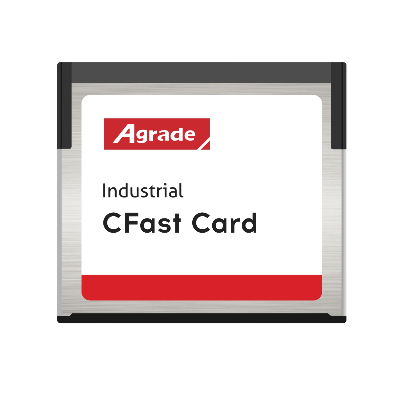
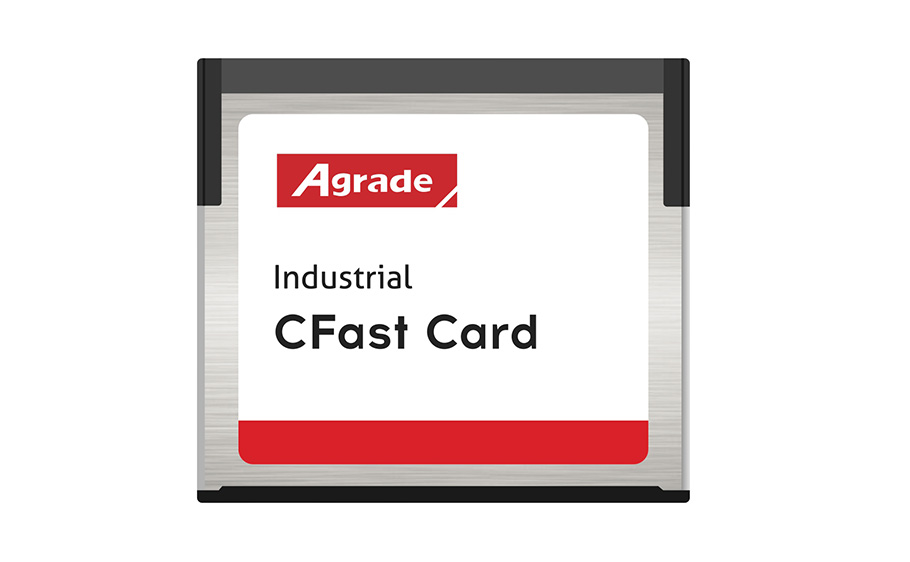
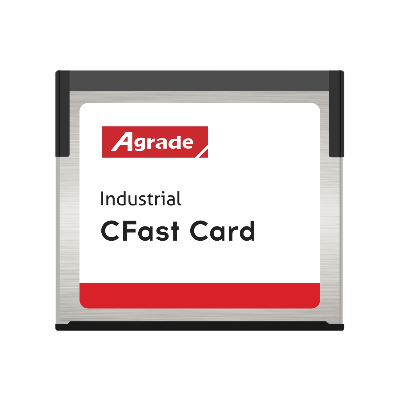
Industrial grade CFast cards represent the evolution of CompactFlash storage, replacing the parallel IDE interface with high-speed SATA. This fundamental change delivers dramatic performance gains while maintaining industrial reliability.
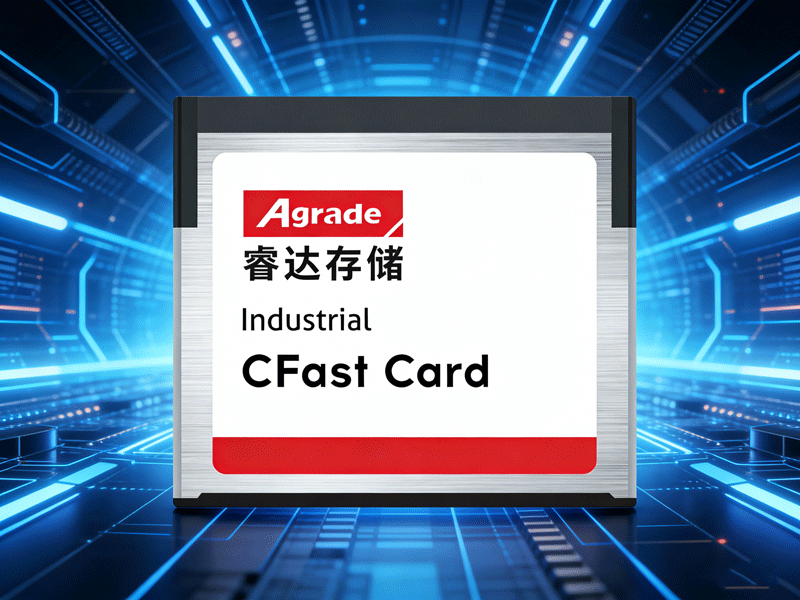
1. Interface Evolution
Traditional CF cards use a 50-pin parallel interface based on ATA/ATAPI protocol, with maximum theoretical speeds around 133MB/s (UDMA7). CFast cards utilize a 7+17 pin SATA interface, supporting SATA II (3Gbps) and SATA III (6Gbps), achieving actual read/write speeds up to 550MB/s. This interface transformation enables CFast cards to meet the bandwidth demands of high-speed data acquisition, 4K/8K video recording, and advanced industrial imaging.
2. Performance Advantages
Industrial CFast cards deliver substantial performance improvements over CF cards:
Sequential Read/Write: Up to 550MB/s vs. 50-100MB/s for CF
Random IOPS: Native AHCI protocol and NCQ support dramatically improve multi-threaded performance
Consistent Latency: Lower and more predictable response times for real-time applications
3. Physical Construction
CFast cards feature a robust 7+17 pin dual-row connector with larger contact surfaces, rated for over 10,000 insertion cycles. Industrial versions incorporate metal housings for better heat dissipation, conformal coating for moisture/dust protection, and underfill technology to secure components against vibration.
4. Compatibility Considerations
CFast cards are physically incompatible with CF slots. Equipment must be specifically designed with CFast card slots. For new industrial designs requiring high performance, CFast is the forward-looking choice; for legacy systems, CF cards remain the practical solution.

-
Products
Advantages
-
Solutions
-
News
About us
-
Contact us
Tel:+86 19926658803
Whatsapp:+86 19926658803
lianle1210@163.com
Address: 30CF, Caihong Building, Caihong Road, Futian District, Shenzhen City, Guangdong Province, China



Friendly Links:
